
Picture this: you’re on your couch with your phone, tapping a sports betting app to place a quick wager on tonight’s game—that’s online gambling in action, letting you play casino games, poker, or slots from anywhere with an internet connection. You simply create an account, deposit funds, and choose your game, with outcomes decided by random number generators or live dealers streamed straight to your screen. The real appeal is instant access and convenience, since you can bet in minutes without leaving home, plus bonuses and free spins often sweeten the deal for new players. Just remember to set a budget and play for fun, not as a way to make money.
How Does Online Gambling Actually Work for a First-Time Player?
When you first sign up, online gambling works by converting your cash into site credit through a deposit, which you then wager on games like slots or blackjack. The core loop is simple: you place a bet, a random number generator (RNG) instantly decides the outcome, and your balance updates in real time. For a first-time player, the key action is navigating the lobby—pick a game, set your stake per spin or hand, and hit play. Always check the game’s paytable and rules before betting real money, as each title has unique mechanics and bonus rounds. You’ll also encounter a withdrawal process where winnings are verified and sent back to your bank or e-wallet, often after you’ve met a wagering requirement on any bonus you claimed. Your first session is basically a test of how quickly you grasp bet sizing and payout triggers.
What Happens When You Sign Up and Make Your First Deposit
Once you hit sign-up and make your first deposit, the real session begins. Your funds usually land instantly via e-wallets or cards, but that’s just the start. Most platforms trigger a welcome bonus activation at this exact moment, often matching your deposit or adding free spins—though you’ll need to check the wagering requirements before celebrating. Your balance updates in real time, and the game lobby unlocks fully, but beware: many sites apply a pending period for withdrawals or require identity verification right after that initial transaction. You’ll also notice your account limits reset, and responsible-gambling tools become accessible immediately.
Understanding Random Number Generators and Fair Play
When you play online slots or roulette, the outcome is determined by a best crypto casinos Random Number Generator (RNG), a software algorithm that produces thousands of numbers per second. The moment you hit “spin,” a current, unpredictable value is selected, which translates into symbols or card positions. Reputable platforms have their RNGs independently audited by testing agencies, and the results are often published on the operator’s site. To verify fairness, you can check for a certification seal or look for a “provably fair” system, which lets you review a cryptographic hash after each round. This confirms the result wasn’t tampered with, although true randomness remains indistinguishable from a secure, fixed output. Always treat any RNG-based game as a session of pure chance.
How Winnings Are Calculated and Paid Out
When you win, the math is locked to the game’s return-to-player percentage and payout multiplier. Slots multiply your bet by the payline’s listed ratio, while table games apply fixed odds—e.g., a straight-up roulette bet pays 35:1. Your balance updates instantly from the game’s internal ledger, not a manual clerk. Cashouts route through the same method you deposited with, minus any wagering requirements attached to a bonus. Most casinos process withdrawals within 24–72 hours after identity verification, and e-wallets often land faster than bank transfers. Always check if a maximum cashout cap applies to free-spin wins, since that directly shrinks your final payout.
Winnings are calculated by multipliers or fixed odds, then paid to your balance and withdrawn via your deposit method, subject to bonus caps and processing times.
What Games Can You Play and Which One Suits Your Style?
Figuring out which game suits your style starts with how you like to risk it. Slots are pure chance—perfect if you want quick spins, flashy features, and zero decisions. Prefer control? Blackjack puts you against the dealer with basic strategy, rewarding patience. Poker (especially Texas Hold’em) is for bluffers who enjoy reading opponents and grinding small edges. If you crave fast results but hate complex rules, try roulette—just pick a color or number. Baccarat suits minimalists: you bet on player or banker, then watch. Craps feels chaotic but offers great odds once you learn a few bets. For skill-plus-thrill, video poker blends slots with strategy. Match your mood: low-stakes fun, head for penny slots; analytical mindset, dive into blackjack or poker; social energy, choose live dealer tables.
Slot Machines, Table Games, and Live Dealer Options Explained
Slot machines offer the simplest entry point, relying purely on chance with instant results, varied themes, and bonus rounds that need no strategy. Table games like blackjack, roulette, and baccarat require understanding house edges and basic tactics, giving you more control over outcomes through decisions like hitting, standing, or placing outside bets. Live dealer options bridge both worlds by streaming a real human dealing cards or spinning a wheel in real time, allowing you to interact via chat while watching physical equipment. For a balanced experience, choosing between slots, tables, or live dealers depends on your preferred pace — slots for speed, tables for skill, live for social atmosphere.
Q: Which option suits a beginner who wants low pressure? A: Start with slot machines, as they require no prior knowledge or strategic thinking; you simply set a bet and spin, avoiding the intimidation of table rules or live dealer timing.
How to Pick a Game Based on Your Skill Level and Risk Tolerance
Selecting a game begins with an honest audit of your bankroll and psychological comfort with volatility. Low-risk players should prioritize even-money bets in baccarat or European roulette, where house edges hover near 1–2% and sessions stretch longer. High-risk tolerance, by contrast, suits progressive jackpot slots or craps’ prop bets, where variance can wipe out a stake in minutes but offers outsized rewards. Your skill level matters more in blackjack or video poker: basic strategy reduces the house edge to under 1%, but errors compound quickly. If you lack the discipline to memorize strategy charts, stick to pure chance games where decisions don’t affect your odds. Matching volatility to your emotional endurance prevents tilt-driven losses.
- Test demo modes to measure your reaction to losing streaks.
- Set a session loss cap equal to 5% of your bankroll.
- Choose games with a house edge below 3% for low risk.
Learning the Rules Without Spending Real Money First
Before risking capital, free-play modes and demo accounts let you internalize game mechanics without financial exposure. You can test blackjack’s basic strategy, roulette’s betting layouts, or slot volatility using virtual credits, which often mirror real payout structures. This allows you to calibrate bet sizing and recognize when a game’s rule variations—like European versus American roulette—shift your odds. However, demo sessions may mask the psychological pressure of real-money wagering, so treat them strictly as rule-learning tools, not emotional rehearsal. Once you’ve mastered paytables and side bets, transition to low-stakes tables to bridge the gap between simulated and live play.

What Bonuses and Promotions Should You Look For?
When evaluating online gambling bonuses, prioritize wagering requirements and game contribution percentages over the flashy headline amount. A 100% match with a 35x rollover is far better than a 200% bonus carrying a 60x playthrough, since the latter can trap your funds indefinitely. Always check the maximum bet allowed while wagering, as small limits can cripple progress. Look for low-risk promotions like free spins with no deposit, cashback on net losses, and reload bonuses with reasonable terms.
The most valuable bonus is one you can realistically convert to withdrawable cash, not the largest one advertised.Verify time limits, excluded games, and whether the bonus applies to slots only—these details decide whether you profit or just feed the house edge.
Matching Deposits, Free Spins, and No-Wagering Offers
When evaluating bonuses, prioritize no-wagering offers because they eliminate playthrough requirements, letting you withdraw winnings instantly. Matching deposits, typically 100%–200% of your stake, boost your bankroll but often carry 20x–35x wagering; calculate the effective value before committing. Free spins are most useful when tied to low-volatility slots, as they yield frequent small wins that meet turnover conditions quicker. Combine these strategically: a modest match with free spins attached beats a high match with oppressive terms, and always verify if free spin profits are capped. For a balanced approach, target offers where the sum of wagering multipliers and time limits stays within your realistic play session.
- No-wagering bonuses guarantee cashable winnings but usually offer smaller amounts.
- Matching deposits with 25x wagering require €2,500 in bets on a €100 bonus—budget accordingly.
- Free spins on progressive slots often exclude jackpot contributions from wagering.
- Compare whether free spins are issued daily or lump-sum; daily batches extend play but delay access.
How to Read Wagering Requirements So You Don’t Get Stuck
To avoid getting stuck, always parse the wagering requirement’s exact multiplier, not just its headline number. A 35x bonus playthrough means you must bet your bonus amount 35 times, but if the terms state “bonus + deposit,” you’ll wager both sums combined—a far larger total. Check the game contribution percentages; slots usually count 100%, but table games may count only 10% or 0%, silently extending your grind. Note the time limit—often 7–30 days—and cap on max bet per spin (e.g., $5), as exceeding it voids the bonus. Finally, subtract the “max cashout” clause: if winnings cap at $100, your effort may be worthless. Compare effective playthrough cost by dividing total required wagers by your average bet size to see real hours needed before accepting.
Read the multiplier, qualifying contributions, time cap, bet limit, and max cashout—then calculate total wagering volume to know if the bonus is truly winnable.
Loyalty Programs and Cashback Rewards for Regular Players
For regular players, cashback rewards and tiered loyalty programs directly offset long-term variance. Prioritize schemes where cashback is calculated on net losses weekly, not just monthly, and paid as withdrawable funds rather than wagering credits. A clear sequence exists: first, compare the cashback percentage (typically 5–15%) and any cap; second, check if loyalty points expire and whether elite tiers reset annually; third, verify how comp points convert—often 100 points equal $1. Finally, assess whether the program offers reload bonuses or free spins tied to your tier. Higher tiers should yield better cashback rates and lower wagering requirements, ensuring consistent value beyond welcome offers.
How to Manage Your Money and Stay in Control
When the screen glows late at night, the first rule of managing your gambling budget is to decide your loss limit before you even log in—and stick to it like a scar. I learned this the hard way after chasing a single hand, telling myself the next spin would balance the books. Instead, set a separate e-wallet for gambling, transfer only what you can burn, and never dip into bill money. Use the platform’s deposit caps and session timers as your guardrails, not suggestions. If you win, immediately withdraw half—frozen profits are safer than a hot streak. And when the urge to “win it back” whispers, close the tab and walk away. Control isn’t about willpower in the moment; it’s about the systems you build before the adrenaline kicks in. That boundary is your real bankroll.
Setting a Budget and Time Limits Before You Start
Before you even log in, decide exactly how much cash you’re okay losing—think of it as the price of entertainment, not an investment. That number should be small enough that losing it won’t sting your bills or savings. Similarly, set a hard stop time, like 30 minutes or one hour, and use a timer or alarm to enforce it. Setting a budget and time limit upfront stops impulsive chasing when you’re on a losing streak or riding a win. A simple sequence works: pick your max loss, pick your play session length, then stick to both without exceptions. Mark that pre-commitment as non-negotiable, and walk away when either hits.
Deposit Limits, Self-Exclusion Tools, and Responsible Play Features
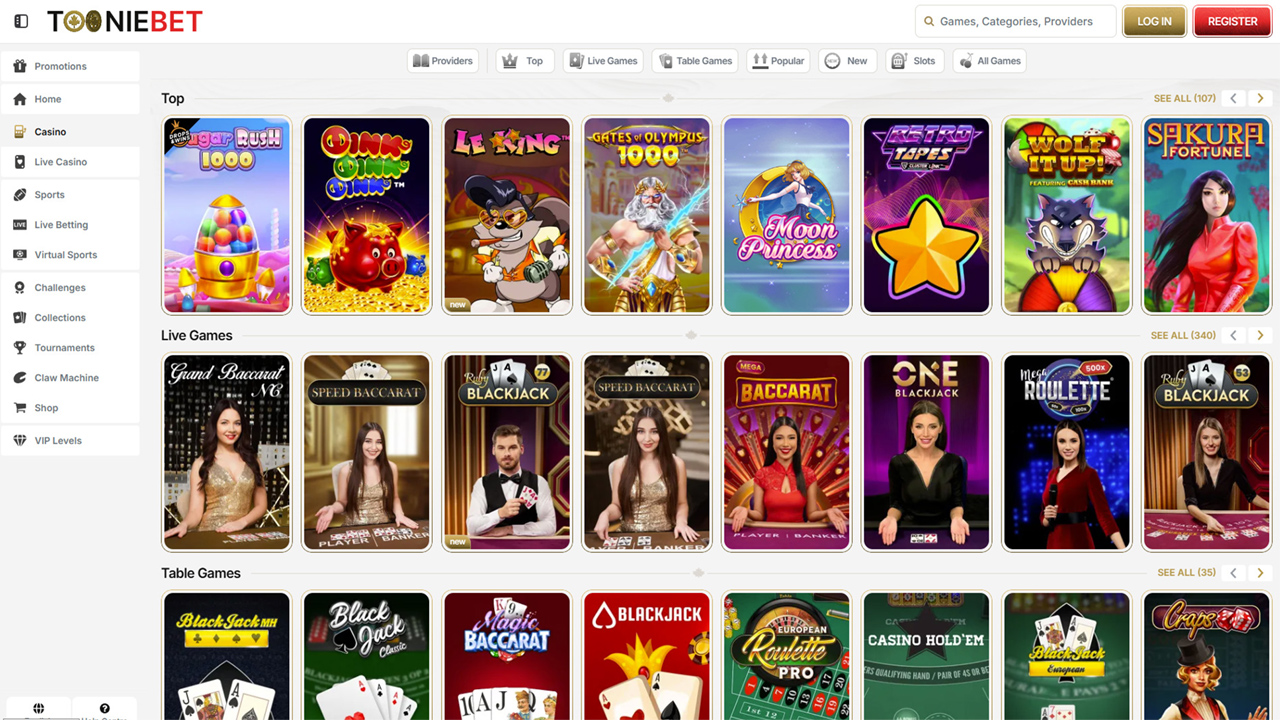
Setting deposit limits before you play is your first line of defense, instantly capping how much cash can leave your account daily, weekly, or monthly. Should limits feel insufficient, self-exclusion tools offer a more drastic reset, letting you block access to your account entirely for weeks or even years. Alongside these, responsible play features like reality checks and session timers act as silent partners, interrupting gameplay with reminders of time spent and losses incurred. Use these tools together as a safety net: limits prevent overspending, exclusion forces a pause, and timers keep your habits transparent. They are always adjustable, but cooling-off periods ensure you never reverse a decision impulsively.

Recognizing When to Step Away and How to Take a Break
Knowing when to step away is your most powerful money-management tool. If you’ve lost more than you planned or feel the urge to chase losses, that’s your cue to stop immediately. Set a hard time limit before you start, and when the alarm rings, close the tab without negotiating. Recognizing when to step away works best with a quick reset ritual. Step outside, drink water, or do a five-minute breathing exercise to break the trance. For a longer break, consider using a self-exclusion tool or deleting casino apps for 24 hours. Finally, schedule a fun, offline activity right after playing—it gives your brain a positive anchor. If you feel irritable or obsessed, take a full week off without guilt.
How to Bet on Sports and Other Live Events Online
To bet on sports and live events online, start by funding your account and selecting a specific market, such as the match winner, over/under total, or a live in-play prop. For live betting, the key is to watch the stream or stats feed and strike when odds shift dramatically, like after a missed penalty or an early injury timeout. Always lock in odds quickly during live play because they fluctuate in seconds, and manage your bankroll by staking only a small percentage per bet to survive losing streaks. Cash-out options let you secure a partial profit before a match ends, but use them sparingly—the house prices cash-outs with a built-in margin, so frequent use erodes long-term value. Bet on outcomes you can verify in real time, and never chase a loss by doubling your stake.
Understanding Odds Formats and How to Place a Wager
To wager effectively, you must first decode the three primary odds formats: American (+150), decimal (2.50), and fractional (5/2). American odds show profit on a $100 stake for underdogs (+) or the stake needed to win $100 for favorites (-). Decimal odds represent total return per unit staked, while fractional odds show profit relative to stake. Once comfortable, placing a bet involves selecting your event, clicking the odds, entering your stake in the bet slip, and confirming. Always check the potential payout displayed before submitting, as it recalculates instantly. Mastering these calculations prevents costly misjudgments when assessing value.
Understanding Odds Formats and How to Place a Wager means translating American, decimal, or fractional lines into real payouts, then locking in your selection via the bet slip with a confirmed stake.
In-Play Betting Features and Cash-Out Options
In-play betting lets you place wagers on live events, with odds shifting constantly based on match momentum and real-time statistics. To succeed, watch the live scoreboard and graphical pitch or court trackers, and act quickly on short-priced markets like “next goal scorer” or “next point winner.” The cash-out option allows you to settle a bet early, locking in either a smaller profit or a reduced loss before the event concludes. Some platforms offer partial cash-out, letting you secure a portion of your stake while leaving the rest active. A button on your bet slip displays the current cash-out value, which updates every few seconds. Master these tools by checking both the live win probability and the cash-out figure simultaneously to decide whether to hold or exit.
What to Know About Mobile Betting Apps and Instant Payouts
When you’re betting on the go, instant payout mobile betting means checking the app’s cash-out speed before you deposit. Many apps advertise “instant” but hold withdrawals for verification or processing fees—so look for e-wallets like Skrill or PayPal, which usually clear in minutes, versus bank transfers that can take days. Always confirm the minimum withdrawal amount and whether the app charges for fast payouts. Also, test the payout button with a small amount first to see the real timeline. A reliable app shows your balance update immediately after a win, and keeps your banking details saved securely for one-tap withdrawals.