
Author: grdssiriwardhana

Hollow Knight: Silksong – Launch Hype Causes Crashes and Chaos
Storefronts Come Crashing Down As fans headed to their favorite online storefronts to buy a copy of Silksong – it quickly became obvious that something was wrong. All the more popular storefronts seemed to crash at the same time: Essentially, for about 30 minutes after Silksong’s launch everything ground to a halt. Fans tried many workarounds to get past the error screens and delays, but nothing seemed to make a difference although some did have limited success using VPN providers to connect to servers in different regions. Predictably, social media exploded in a firestorm as frustrated users began to flood it with complaints about the issues they were facing. Fortunately, after about half an hour, the storefronts started to come back up – though some people continued to experience issues for several more hours. What Went Wrong If you’re one of the many people wondering how this could happen in today’s day and age, the short answer is simple: Too many people trying to buy and download the game simultaneously led to a flood of traffic beyond what storefronts could cope with. The reason why this deluge took place is primarily due to the high demand for Silksong. Its predecessor sold over 15 million copies, and the anticipation for Silksong’s release has been steadily building into a fever pitch over the last six years. Add to that its relatively low price tag of $19.99 and it was viewed as a ‘must buy’ for many gamers. Another factor worth noting is the lack of preorders or preloading. Many modern games allow users to preorder games in advance, and pay as well as download them before the official release date – which can stagger the server load. Silksong opted not to do this, meaning that everyone, everywhere, was trying to purchase and download it at the same time. So what went wrong? Basically Silksong was just too popular for storefronts to handle the demand of a simultaneous worldwide release – causing their servers to overload and crash. Crashes Didn’t Get In the Way of Players Despite the crashes, Silksong has charted record-breaking numbers since its release. Within 30 minutes of launch it had surpassed 100,000 concurrent players on Steam, and went on to peak at 535,213 in the first 24 hours according to SteamDB. It also earned an ‘Overwhelmingly Positive’ rating with over 10,000 reviews within the first 12 hours. Things were just as impressive over on Twitch where a peak of 357,462 concurrent viewers tuned in to watch streamers who managed to get their hands on the game despite the crashes. Evidently, viewers figured it was their best bet to check out the game while waiting for storefronts to recover. If anything, the crashes and chaos of launch day may even have inadvertently drawn even more attention to Hollow Knight: Silksong and acted as a testament to just how popular it is. While no official sales numbers have been announced, it looks to be on track to beat its predecessor if things continue apace.

Fastest Getaways in GTA History: Ranking Every Vehicle Escape
5. The Buffalo S – Franklin’s Favorite Muscle This car is a legend in single-player for a reason. It handles like a dream, accelerates like it’s got a point to prove, and fits Franklin’s “get in, get out” lifestyle perfectly. While it’s not the fastest overall, the Buffalo S is the everyman’s muscle — quick, reliable, and capable of weaving through traffic without losing control. And in GTA Online? It’s a budget-friendly beast. Use it right after a quick smash-and-grab, and you’ll be out of sight before the cops even remember their license plate scanners exist. 4. The Shotaro – Because Why Not Flee on a TRON Bike? Introduced during the Deadline event, the Shotaro looks like it came straight out of a cyberpunk fever dream. It’s sleek, fast, and terrifyingly good at maneuvering. Not only does it look like something Elon Musk would use to escape a bad Twitter take, but it’s also got ridiculous acceleration and cornering. Sure, it’s exposed — one wrong shot and you’re toast—but for getaways that rely on speed over armor, it’s unmatched. And honestly, showing up to a gunfight in neon spandex and still escaping? That’s style. 3. The Oppressor Mk II – aka “Lobby Terrorizer” You knew this one was coming. The Oppressor Mk II is the Swiss Army knife of griefers and professionals alike. Need to hit a target, fly over traffic, dodge rockets, and vanish into the skyline in seconds? This flying menace has your back. The second someone hears that iconic jet whine, panic sets in. Whether you’re using it to escape a job gone wrong or just flex on your enemies, this thing is part getaway ride, part intimidation tactic. And if you’re looking to snag one without draining your in-game bank, at Eneba – GTA Shark Cards can be bought to fast-track your way to owning this turbocharged jet-bike of doom. 2. The Armored Kuruma – Built Like a Tank, Drives Like a Sedan Every crew has that friend. The one who can’t shoot straight but insists on driving. The Armored Kuruma is made for them. This beast is practically immune to small arms fire, making it perfect for missions where cops (and bullets) are inescapable. Despite its heavy armor, it’s surprisingly nimble. It’s like Rockstar asked, “What if a brick was also a ballerina?” Perfect for robbery exits and those “oh no, five stars again” moments. 1. The Vigilante – When Batman Enters the Lobby Top spot goes to the ultimate power move: the Vigilante. It’s the Batmobile, plain and simple. Rocket boosters? Check. Mounted guns? Obviously. Intimidation factor? Through the roof. This isn’t just a car — it’s a statement. Escaping in a Vigilante doesn’t just mean you survived — it means you owned every second of that chase. Cops? Civilians? Other players? All left in the dust, or flaming wreckage. Honorable Mentions Final Gear Check From classic chases to futuristic flights, GTA’s escape vehicles are as much a part of its DNA as explosions and cash drops. Whether you’re tearing through Los Santos in a muscle car or hovering above it all in a Deluxo, your ride defines your exit. And if you’re looking to speed up your garage upgrades, Eneba digital marketplace offers reliable access to gear up your GTA lifestyle, whether that means grabbing a Vigilante or boosting your GTA bankroll the easy way.

Equipment, Exploration and Form Mastery Guide for Wonder Boy: The Dragon’s Trap
1. Game Overview Wonder Boy: The Dragon’s Trap is a gorgeously remastered action-platformer and non-linear quest developed by Lizardcube, originally released in 2017 for modern systems. Set immediately after Wonder Boy in Monster Land, the hero is cursed into Lizard-Man form and must journey through Monster Land, defeating dragons to regain his human form while unlocking new paths through animal transformations like Mouse-Man, Piranha-Man, Lion-Man, and Hawk-Man. The game dazzles players with hand-drawn art, orchestral reimagining of the original soundtrack, and seamless toggling between modern and retro graphics and audio, all while expanding on the classic gameplay with refined mechanics and added difficulty options Note: You can switch between Hu-Man and Hu-Girl model anytime without affecting saved data. 2. Story & Objective Immediately after the events of Wonder Boy in Monster Land, the hero defeats the Mecha Dragon but is cursed and transformed into Lizard-Man; to break the curse, they must journey across Monster Land and defeat each of five elemental dragons, reclaim the Salamander Cross from the final boss, and restore their human form.Protagonist: Hu-Man (default) or Hu-Girl (alternate in the 2017 remake)Main Objective: Warning: Lizard-Man cannot block incoming projectiles, instead, use his fire breath to neutralize them or evade them altogether. Expect enemy attacks to feel less forgiving in this early form 3. Transformations & Abilities Each dragon curse grants a unique form with essential traversal and combat abilities. Master these transformations to unlock new paths and secrets across Monster Land. FormDescriptionAbilityHu-ManHuman knight with sword & shieldCan crouch and block with shield; starts with full health (strong baseline)Lizard-ManFire-breathing reptileBreathes fire (ranged attack), can duck, but lacks a shield (specializes in destroying projectiles)Mouse-ManAgile wall-climbing rodentCan climb on checkered blocks (walls and ceilings) and access tight spacesPiranha-ManAquatic fish creatureUnlimited underwater breathing and free swimming in submerged areasLion-ManFierce cat warriorPerforms vertical slash (above and below), hitting targets not reachable by othersHawk-ManSoaring avianCan fly/glide through the air, but takes damage from water 4. Core Mechanics & Combat This remake removes experience points, your strength solely depends on your equipment upgrades. Combat and traversal revolve around: Tip: You can find a secret potion vendor in the Village, accessible as Hawk-Man by flying underneath the Desert entrance for a door leading to potions, so stocking up before dungeons can be a helpful proactive strategy 5. World Exploration & Map Design Monster Land unfolds as an interconnected Metroidvania-style world. Each form’s unique abilities unlock previously inaccessible regions, facilitating exploration and secrets. Key areas include: Note: Right after defeating a dragon, take the time to retrace your steps. Your new form’s unique ability often reveals hidden shortcuts, secret rooms, and form-specific mini-dungeons that weren’t accessible before 6. Equipment Upgrades & Gold Farming Gold is essential for progression because your strength comes entirely from better gear, not experience points. Prioritize purchases based on access and effectiveness: CategoryUpgrade Path & Approximate Cost (Gold)NotesSwordsIvory Sword (auto-equipped) → Muramasa Blade (~800) → Tasmanian Sword (~1,480) → Crystal Sword (~2,980)Muramasa and Tasmanian require transformation-specific access; Crystal Sword is top-tierShields Ivory Shield (auto-equipped) → Aqua Shield (~430) → Master Shield (~1,980) → Crystal Shield (~3,210) → Heavenly Shield (~3,980)Always check form requirements for each shieldArmorIvory Armor (auto-equipped) → Mithril Armor (~44) → Shogun Lamellar (~500) → Samurai Armor (~1,000) → Dragon Mail (~300) → Prince Armor (~1,600) → Hades Armor (~2,000)Each form and CP level affect availability; Dragon Mail prevents lava damage, Prince Armor boosts heart drop chance, Hades Armor revives once on death Gold Farming Strategies 7. Difficulty Modes & Retro Toggle The remake offers four distinct difficulty modes, each designed to tailor the challenge to different player preferences: Easy, Normal, Hard (with a health-draining timer), and an unlockable Extreme mode with heightened difficulty and limited health conditions. It also introduces a Retro Toggle for visual and audio style shifts, and retains support for original Master System passwords. Pro Tip: After defeating each dragon, backtrack to previously explored areas with your new form’s equipped abilities, you’ll uncover hidden shortcuts, chests, and shops that were inaccessible before 8. Boss Battle Tactics Each dragon demands a tailored strategy that capitalizes on form-specific strengths: 9. Advanced Strategies & Pro Tips Want to optimize your run in Wonder Boy: The Dragon’s Trap? These advanced strategies will elevate your gameplay: 10. Conclusion By now, you’ve unlocked every secret, mastered form-based exploration, leveraged gold farming tricks, and wielded your equipment with surgical precision. From seamless transformations with the Tasmanian Sword to toggling between nostalgic 8-bit visuals and modern graphics, this guide arms you with every strategy needed to conquer Bosses, chase hidden Heart Containers, and breeze through dungeons with confidence. Whether you’re embarking on your first run or tackling Extreme mode, let these tactics transform your adventure into a legendary saga in Monster Land

How to Maximize Base Radar Coverage and Income in Xenonauts
1. Game Overview Xenonauts is a modern spiritual successor to the original X-COM series, blending deep strategic management on a global scale with tense, destructible turn-based ground combat on 1970s-era battlefields. As commander of the secretive Xenonauts organization, you must intercept UFOs, deploy combat squads across diverse environments, research alien technology, and defend Earth from an encroaching extraterrestrial threat. The game delivers a rich simulation experience, featuring emergent mission design, a layered research tree, and persistent soldiers, offering both nostalgia and nuanced tactical depth for fans of classic strategy Note: Community mods and balance patches are available on Steam Workshop to refine late-game difficulty. 2. Geoscape & Strategic Layer The geoscape is where the strategic conflict unfolds. It allows you to monitor UFO activity, assign interceptors, manage global bases, and respond to alien incursions and terror missions. Success in intercepting UFOs directly influences funding from regions; maintaining broad radar coverage and rapid response ensures stable income and prevents regional panic. Key Mechanics: 3. Air Combat & Interceptor Tactics Air combat in Xenonauts takes place in a destructible real-time 3-vs-3 arena, where fuel, ammo, and aircraft integrity are at stake. You can auto-resolve engagements, perfect for guaranteed wins, or manually pilot interceptors to conserve precious airframe health and tactical flexibility. Key tactical considerations include fuel management, afterburner usage, missile loadouts, evasive rolls, and focused targeting strategies. Manual vs. Auto-Resolve: Afterburners & Fuel: Missile & Weapon Loadouts: Engagement Tactics: Pro Tip: Position one interceptor to bait the UFO into presenting its flank (making it roughly perpendicular), then fire staggered missiles, launching one to trigger its evasive roll, and firing the next shot once the roll cooldown finishes to increase hit consistency 4. Ground Combat & Mission Objectives Ground missions unfold on destructible, turn-based battlefields that span diverse environments, from arctic crash sites to dense city terror zones. Objectives vary, including securing downed UFOs or alien artifacts, defending bases and cities, and neutralizing alien threats. Your soldiers are persistent across missions, gaining attributes, promotions, and medals for battlefield accomplishments. Mission Types & Objectives: Persistent Soldiers, Progress & Medals: Tactical Layers: Cover, Loadouts & Movement: 5. Base Construction & Global Coverage Your initial base should prioritize critical facilities like radars, hangars, living quarters, and a medical center to establish early detection and response ability. Expanding to two or three strategically located bases maximizes radar coverage and interceptor response, which is vital for preventing funding loss and defending multiple world regions. Pro Tip: Even if auto-resolve shows a 90%+ success probability, it’s often safer to manually engage, as this can preserve interceptor health by enabling evasive maneuvers and smarter targeting, unlike auto-resolve, which frequently damages your aircraft even in guaranteed victories 6. Research & Technology Tree Research in Xenonauts transforms alien alloys and corpses into cutting-edge technologies through two main paths, i.e. Science (for new tech) and Engineering (for production) that rely on recovered resources. Prioritizing both research and engineering is key to unlocking advanced weaponry, armor, and aircraft. Key Mechanics: 7. Economy & Funding Management Monthly funding comes from each nation or region you protect. Shooting down UFOs increases your reputation and grants, while allowing UFO missions (like terror events) harms relations and reduces funding. Warning: Xenonauts includes no emergency loans or interest systems, so budget must be managed through gameplay performance alone 8. Advanced Strategies & Pro Tips 1. Favor Manual Air Combat Over Auto-Resolve While auto-resolve might be tempting for high success chances, manual control preserves interceptor integrity and minimizes unnecessary damage. Pausing the fight and timing evasive rolls can drastically reduce the wear on your aircraft. 2. Use Strategic Formation and Flank UFOs When engaging UFOs, position interceptors perpendicularly and let one bait the target. The other craft can then exploit missile lock more effectively and reduce exposure to defensive rolls. 3. Employ Afterburners Judiciously Afterburners grant a significant 50% speed boost, useful for evading larger ships or repositioning, but they burn fuel rapidly and disable firing capabilities while active. Use sparingly and near your base to avoid running out of fuel. 4. Capture UFOs Intact for Maximum Research Yield Don’t always auto-resolve intercepted UFOs/ Manually engaging allows for more controlled damage, increasing the likelihood of capturing intact wreckage or tech for valuable research and salvage. 5. Spread Your Bases for Optimal Radar and Interception Coverage Don’t cluster your bases, place them far apart to minimize radar overlap and maximize global interception ability. Ideally, set up the second base around Month 2–3, equipped with two hangars and radar arrays 9. Conclusion Mastering Xenonauts means balancing global pressure and tactical finesse by synchronizing radar coverage, interceptor deployment, resource allocation, and elite ground squads under constant alien threat. This guide has laid out the best practices to streamline your base expansion, research, combat tactics, and geoscape control. Now it’s your turn: apply these insights, adapt on the fly, and forge a defense so formidable the alien onslaught becomes nothing more than a memory. Victory awaits, Commander

From Story Acts to Endless Anomalies: The Full Chronicon Strategy Guide
1. Game Overview Chronicon is a 2D pixel-art action RPG by Subworld in which you use a magical device called the Chronicon to enter the memories of long-dead heroes and relive their adventures. You pick one of four classes, fight through five distinct acts with procedurally generated dungeons, gather loot, customize skills and gear, and take part in co-op or solo play. The game offers deep character progression with many skills, abilities, perks, and mastery ranks, along with crafting, randomized endgame content, and high replay value 2. Story & Setting The world’s last evil has fallen, its final quest completed, and every treasure chest opened. To honor the Heroes of Old, the Chronicon, a grand magical device, allows a select few to re-live these epic tales. This year, you are the chosen one, stepping into the memories of these heroes to replay five legendary battles. Chronicon Device: Portal into Heroes’ memories; acts as the main hub where NPCs and waypoints reside. Five Acts: Emphasis: Varied environments, shifting enemy and boss rosters per act, quests tied to lore and setting Pro Tip: Use Transmutation/Empower on lower-level items to raise them up to match higher-level items of the same quality. This lets you cheaply boost base stats without needing to hunt for perfect high-level drops 3. Classes & Build Framework You may assume the role of one of four classes, each offering unique playstyles, masteries, and synergies. All classes can reset skills freely, encouraging experimentation and synergy exploration: ClassRoleCore Strengths and Typical FocusTemplar Durable frontline/hybridDefensive auras, shields & blocks; strong survivability; health + thorns; utility and support via buffs.BerserkerMelee damage dealer/close-quartersHigh melee output; specialization in bleed, overpower and physical damage; good mobility & burst damage.WardenRanged/Utility & DoT/Hybrid-rangedFast ranged attacks; damage over time effects; elemental/physical mix; excels with kiting and using supportive & ranged skill synergies.WarlockSpellcaster/AoE/Magical burstElemental spells, strong AoE; crowd control; unique “Souls” resource; excels in damage scaling and magic-based burst. 4. Core Mechanics & Combat Combat unfolds in real-time across grids of monsters and destructible scenery. Key systems include: 5. Loot, Crafting & Enchanting Chronicon features hundreds of items, from Common to Rare, up through Legendary and True Legendary rarities, with randomized enchants and qualities, plus powerful set items. Deep crafting systems let you customize gear through enchantment, gem socketing, empowerment, and rune inscription. 6. Progression & Endgame Systems After completing the five story acts, you unlock Anomalies, dungeons of various types and with escalating challenge and rewards. Level cap is 100 for skill-points; beyond that, mastery levels continue without limit, allowing infinite power scaling. 7. Advanced Strategies & Pro Tips These strategies are refined best-practices that experienced Chronicon players use to maximize progression, optimize gear, and avoid common pitfalls as you push into high-tier content: 8. Conclusion By now, you’ve conquered Chronicon’s five Acts, unlocked Endless Anomalies, optimized your build through free respecs, and tracked down those hard-to-find Legendary and True Legendary set items. Whether you’ve mastered your class’s skill trees, squeezed the most out of runes and gems, or fine-tuned your difficulty curve, this guide gives you every strategy you need to shred Mythic dungeons, maximize loot drops, and push past your power plateau. Let these tips transform your Chronicon journey into a run of true legends!

How to Master Arcana and Relic Combos in Wizard of Legend
1. Game Overview Wizard of Legend is a fast-paced roguelike dungeon crawler where you play as a wizard trying to prove your mastery by completing the Chaos Trials. You fight through procedurally generated levels, collecting spell combinations (called arcana), relics and outfits to build your power. Along the way, you face element-themed bosses and eventually a final showdown with the most powerful wizard. 2. Story & Chaos Trials Every year in the fantasy Kingdom of Lanova, the powerful Council of Magic organizes the Chaos Trials, a magical competition designed to test the mettle of aspiring wizards. Contestants who can overcome rooms full of conjured enemies, overcome elemental-majored challenges, and defeat the council’s champions earn the prestigious title Wizard of Legend. The Trials take place in a magically mutable labyrinth, shifting with each participant’s run, where magic is drawn from elemental powers and arcane relics to shape both obstacles and combat. Setting: Magical castle with themed chambers shaped by elemental Council members, not exactly “rotating floors.” Objective: Replayability: RNG is used for chamber/room composition, the order of elemental sections, shops, arcana/relic drops etc., which ensures each run feels fresh 3. Core Mechanics & Combat Systems Combat emphasizes speed, positioning, and crowd control. Players must dodge, stun, or manipulate enemies rather than rely on raw defensive stats or invulnerability by default. Pro Tip: Try to conserve health orbs throughout the elemental stages so you enter the final boss fight with as much health as possible. Any additional hit you survive can give you a better margin in the Head Councilor battle 4. Arcana Elements & Spell Types Arcana are spells you equip each run. You select one each of the four types: Basic, Dash, Standard, and Signature. Arcana span six elements: Fire, Water, Earth, Air, Lightning, and Chaos. Chaos arcana are rare and generally only obtained by defeating the final Council member. Spell Types: 5. Relics & Loadout Planning Relics provide passive bonuses and occasionally special effects like extra resistances or defensive utility. You can equip multiple relics per run, which are found in chests, dropped by enemies, or bought in shops, and some relics are permanently unlocked in the plaza using Chaos Gems. The game supports “fusion relics,” which combine two relics into a more powerful relic with enhanced effects Tip: Chain Basic → Dash → Signature in tight enemy clusters when possible to quickly build your signature meter and capitalize on arcana or relics that stun or disable enemies 6. Dungeon Flow & Shops Each run of the Chaos Trials contains three elemental stages, each made up of two regular floors plus a boss floor, followed by the final boss stage. Shops appear on non-boss floors in those elemental stages, and there is also a shop just before the final boss. Managing your gold, health (or healing), and Chaos Gems is important, because Chaos Gems are a meta-currency used outside the Trials for permanent unlocks. 7. Advanced Strategies & Pro Tips Here are some advanced strategies & pro tips to help you push further in Wizard of Legend and improve your run consistency: 8. Conclusion To sum up, Wizard of Legend rewards players who understand its core systems: the interplay of arcana, relics, signature mechanics, and stage flow. Using the pro tips here, such as chaining attacks, saving health, and choosing relics and spells that synergize, you’ll see marked improvement in your success rate. Keep refining your builds, learning what works best for your style, and you’ll find the difference between average runs and becoming a true Wizard of Legend
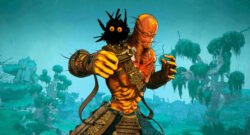
How to Master Rituals, Stances and NG+ in Clash: Artifacts of Chaos
1. Game Overview Clash: Artifacts of Chaos is a 2023 action-adventure, beat ’em up, set in the surreal fantasy world of Zenozoik. Players control Pseudo, a martial artist who becomes bodyguard to a young creature called Boy sought by the tyrant Gemini for its healing powers. Combat is melee focused and offers multiple combat stances, character leveling, and a ritual dice-mini-game that grants tactical advantages before fights. The game features a semi-open world design with a distinctive art style combining hand-drawn crosshatching visuals and a day/night cycle that influences exploration and risk 2. Story & Journey You play as Pseudo, a hermit martial artist who becomes the protector of “the Boy,” a small creature with healing powers coveted by Gemini, Mistress of the Artifacts. The journey centers on escorting and safeguarding the Boy while collecting the Great Artifacts scattered across Zenozoik’s regions, confronting regional leaders and Gemini’s forces, and uncovering the strange history and laws (such as the Ritual) that shape the land. Along the way you discover that the world’s past, the nature of the Boy’s powers, and the balance of power in Zenozoik are deeply interwoven. Pro Tip: Treat a successful parry as your stance‑swap signal; parry → heavy stance knockdown → finisher. It converts defense into burst with minimal risk. 3. Core Mechanics & Combat Systems Combat emphasizes spacing, timing, and stance commitment. You build momentum with light/heavy attack chains, create punish windows with well-timed parries, and cash in with high-damage finishers; many encounters with sentient enemies are preceded by the Ritual, a dice game that can grant boons or impose penalties depending on outcome. SystemWhat it doesWhy it mattersStances & attack chains Different combat stances provide varied basic attacks and combos; chaining light/heavy attacks fills the attack bar or builds openingsLets players adapt to different enemy types; defines how aggressively or defensively you play during fightsParry timing Parrying just before enemy attacks slows them, rewards stun / damage bonuses, and creates punish opportunityTurns defense into offense, allows handling tougher or armored foes safelyRitual / One LawDice-based pre-fight mini-game involving artifacts and modifiers that determine boons or penalties for combatAdds strategic risk/reward before major fights; can change difficulty or advantages significantly 4. Stances & Technique Types Stances shape reach, speed, and defensive trade-offs, letting you tailor Pseudo’s approach to different enemy archetypes. You unlock additional stances as you progress, encouraging specialization and on-the-fly swapping. ArchetypeStrengthsBest use casesReach-focusedSafe pokes, spacing control, ability to strike from distance (e.g. Spear stance offers longer reach)Large hitboxes, multi-enemy rooms, keeping enemies at bay while you positionSpeed-focusedFast attacks, quick recovery, enabling interrupts and combo chaining (Lightning stance is described as quick)Agile elites, short punish windows, chasing down enemies or reacting quickly when Ritual imposes penaltiesHeavy/knockdownHigh damage per hit, high stagger/knockdown potential, more punishing but slower moves (e.g. Mammoth is slow and powerful)Solo bosses, shielded targets, using finishers after stagger or parry windows 5. Artifacts & Loadout Planning Artifacts primarily interface with The Ritual; the artifact you bring into a sentient-duel determines which modifiers (called “consequence artifacts”) you might gain if you win, or penalties if you lose. As you progress, you unlock more artifacts, dice, and modifier tools (T’chaks, etc.), broadening your tactical options when deciding how to skew a difficult fight. NG+ retains your unlocked artifacts and tools, but challenges scale up. Tip: Practice parries on basic enemies near camps. Consistent parry timing translates directly to elite and boss control. 6. World Flow, Camps & Day/Night 7. Advanced Strategies & Pro Tips Mastering the game comes down to balancing offense and defense, choosing stances that suit your style, and making smart use of rituals, camps, and upgrades. 8. Conclusion By mastering tactical stance choice, Ritual advantages, and survivability first, you will smooth progression and reduce frustrating setbacks. These strategies help you face tougher enemies, unlock content easier, and enjoy challenge rather than overwhelm. Keep practicing combat mechanics, exploring carefully, and refining builds to become formidable across every region and difficulty!

Fell Seal Guide: Best Build Combos, Class Mastery and Advanced Combat Tactics
1. Game Overview Fell Seal: Arbiter’s Mark is a tactical role playing game by indie studio 6 Eyes that released in 2019 on PC and consoles. Players take the role of Kyrie, an Arbiter Captain, as she and her companions uncover corruption within the ruling Council of Immortals while battling across isometric, grid-based maps. The game features over twenty classes, dual classing, active and passive skills, customizable characters, difficulty settings including permanent death, and a unique “injury” mechanic that penalizes characters rather than causing permanent death. It has been praised for its deep combat system, class flexibility, and solid homage to classics like Final Fantasy Tactics though some critics found its story and presentation less memorable. 2. Story & Objective Kyrie is a captain in the order of Arbiters who serve the Immortal Council, guardians of peace in the land of Teora. When a corrupt noble is mysteriously exonerated despite what Kyrie believes is clear guilt she embarks on the Marked Pilgrimage, a quest to visit five ancient temples and claim relics that may expose corruption and restore justice. Along the way, she uncovers betrayal within the Immortals and must confront threats that could destabilize the world if left unchecked Tip: Ensure every party member contributes to combat actions (even support heals or condition clears) so EXP is distributed, and weaker units do not lag behind. 3. Class System & Customization The game makes classes central: each character picks a primary class, which determines what equipment they can use and how their stats grow when they level up. The game lets you use sub class abilities by spending AP in unlocked classes so you can add active, passive, or counter skills from non primary roles. You unlock extra classes through DLC, guild missions, badge, story conditions, etc., and when you learn every ability in a class the game grants a Mastery Bonus that adds a permanent stat boost even if you switch classes. AspectKey pointsPrimary classDecides equipment access and drives stat growth on level upSubclassLets you use abilities from other classes by spending AP in those classesMasteryGives permanent bonuses when you unlock every ability in a classClass countOffers 20+ base classes plus classes from DLC, badge, and story unlocks 4. Core Combat Systems Combat uses a grid based, turn based system and emphasizes positioning, initiative, counters, terrain elevation, and action economy. Characters trigger counters or reactions via certain abilities and deal experience primarily by contributing: dealing damage, healing, applying/removing status conditions, or finishing foes rather than simply moving. ElementEffectInitiative/turn orderDetermines action sequence; altering it is tactically valuableTerrain/elevationHeight and cover affect accuracy, range, and defensibility; you exploit these with ranged or teleporting abilitiesCountersYou equip some abilities with counter reactions that trigger when enemies attack you; you also plan around enemy counters by using counter-breaking skillsEXP sourcesYou earn EXP through damage dealt, healing done, applying or removing conditions, and delivering killing blows 5. Progression: EXP, AP, Mastery The game uses three interlocking progression systems: EXP to increase level, AP to unlock class abilities, and Mastery bonuses when you fully learn a class. You earn EXP by actively contributing in combat: dealing damage, healing, applying/removing conditions, or landing finishing blows. The game awards AP after battles based on deployed characters, encounter difficulty, and modifiers such as story missions or bonus conditions; you gain AP in each class separately. When you unlock every ability in a class, the system grants a Mastery bonus that permanently boosts stats and remains even if you respec or switch classes. 6. Difficulty Modes, Permadeath & Checkpoints Fell Seal offers multiple difficulty settings; the highest setting activates permanent death via the injury system once a character takes enough injuries. The game lets you reset character levels at any guild (for a gold cost) though you cannot reset ability progression inside a class. The game saves automatically between battles, at mission start, completion and at major interactions but does not let you save during combat mid‐battle. 7. Boss Tactics & Encounter Flow Boss fights challenge you to observe enemy tells and attack patterns, use interrupts and counters, and manage your resources because some enemies hit much harder in later turns. You shouldn’t burn all your powerful cooldowns immediately; instead use early turns to scout, position, and weaken the field. Equip or unlock counters to block or react to major enemy abilities or add spawns. You hold powerful consumables or heals until the fight’s damage ramps up or the boss uses more lethal scripted moves. 8. Builds, Equipment & Advanced Strategies You start builds by choosing a primary class to steer your stat growth when you level up, then spend AP in other classes to pick up sub class abilities that plug weak spots. You tune your loadout (weapons, armor, accessories) to emphasize the stats your build needs; when you master a class fully you earn a permanent bonus to those core stats. Community guides and the official wiki document many viable strategies, including AP farming routes, hybrid healer tank builds, crit stacking, and elemental specialty builds. StepAction1Choose primary class to control stat growth on level up (tank, healer, DPS, caster)2Pick subclass to cover mobility/support gaps and plan AP path to core abilities3Select gear that complements the role (boots for speed, rings for accuracy, talismans for elements)4Pursue mastery bonuses and use guild level resets when you experiment later in the game 9. Conclusion By understanding and leveraging the game’s core systems, i.e. EXP, AP, Mastery, class flexibility, and tactical combat, you’ll turn ordinary squads into specialists and make every battle count. With careful build choices, smart use of sub classes and equipment, and disciplined resource management, you’ll resist even the toughest bosses and permanent death settings. Keep refining strategies to suit your play style, experiment safely using level resets and lower difficulties, and you’ll turn your command into mastery in Fell Seal.