
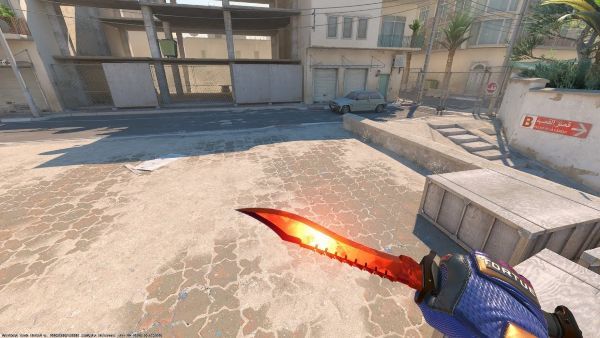
How CS2 Cases Work—The Basics
Every weapon case is built around a reward pool organized by rarity tiers: Consumer, Industrial, Mil-Spec, Restricted, Classified, and Covert, plus an ultra-rare special item (typically a knife or gloves). Three concepts matter most for decision-making:
- Rarity distribution: Outcomes are dominated by lower tiers by design. Planning for common results keeps expectations realistic and budgets intact.
- Wear and float values: Each skin has a float (0.00–1.00) that determines its wear class (Factory New → Minimal Wear → Field-Tested → Well-Worn → Battle-Scarred). Small float differences within the same wear class can materially influence value, especially for premium finishes.
- Pattern variance: Certain patterns or seeds (e.g., clean Dopplers, distinctive Fades) may command premiums. These are rare within the rare—nice when they appear, not something to expect.
Understanding this framework prevents common misconceptions—like assuming “streaks” influence odds or that time of day quietly boosts drop chances. Each roll is independent.
Where Value Comes From (and Where It Doesn’t)
In case opening, value is demand-driven. That demand fluctuates with content updates, creator spotlights, and shifting player preferences:
- Iconic finishes: Some colorways and finishes consistently draw attention (clean neutrals, sleek metallics, high-contrast fades).
- Loadout cohesion: Players often pay more for skins that complete a theme (all-white, fire/ember, cyberpunk neons).
- Scarcity + condition: A Covert skin in Factory New with a great pattern can be exponentially more valuable than a mid-tier item in poor condition.
Meanwhile, hype alone rarely sustains prices. New cases may spike early, but supply catches up. Treat early openings as entertainment with a shot at social value (clips, screenshots) rather than a guaranteed flip.
A Short History and Ecosystem View
For years, case opening has been a key component of Counter-Strike, growing in tandem with trade systems, content drops, and marketplace features. The loop is maintained in CS2, as players trade or sell stuff they don’t keep, open cases to pursue cosmetics, and progressively construct themed loadouts. The economy as a whole is driven by this loop; headline prices are not as important as liquidity, or how quickly an item sells at a reasonable price. Even if particular art pieces appear more stunning, popular, “evergreen” skins typically move more quickly.
Choosing What to Open—A Goal-First Approach
Four common goals guide case selection:
- Aesthetic collection: Target cases whose commons fit a visual theme you actually like. Hitting commons is the norm—make them work for your loadout.
- Premium chase: Knives/gloves cases deliver the highest highs and longest droughts. Open sparingly with a firm budget.
- New-content buzz: Recently released content can boost short-term demand and social attention. The EV may not be better, but the experience can feel more rewarding.
- Trade-friendly rotation: Favor cases with well-known mid-tiers that hold interest. These help with liquidity when flipping modest wins.
Practical rotation: keep three cases in play—one premium chase, one aesthetic favorite, and one recent/popular—so sessions feel varied without drifting into impulse territory.
Bankroll and Session Design—Discipline Over Hunches
Odds don’t bend to “feels,” so structure does the heavy lifting:
- Fixed session cap: Decide what’s comfortable to spend regardless of outcomes; when it’s gone, stop.
- Small batches: Open in 2–5 item batches and reassess rather than ripping through a budget in one go.
- Pre-set exits: Define “good enough” before starting (e.g., one Covert or above, or a specific return multiple) to avoid chasing.
- Outcome rules: Decide beforehand what gets kept, traded, or sold. Let rules, not mood, drive post-open actions.
Price Awareness Without Heavy Math
A perfect expected value (EV) calculation is impractical for most players, but price awareness gets close:
- Scan headliners and mid-tiers in your target case. Weak mid-tier pricing often drags practical EV down even if a top item looks amazing.
- Check finish premiums (Factory New vs. Minimal Wear) and recognize that many “almost perfect” pulls won’t fetch perfect prices.
- Know the fees and spreads where you sell. A narrow spread with solid volume is easier to liquidate than a flashy skin with thin demand.
For game update context and live pricing snapshots, the official Counter-Strike hub is helpful for understanding demand catalysts, and the Steam Community Market is useful for liquidity checks.
Safety and Fairness—A Quick Due-Diligence List
Outside of Steam, treat due diligence as mandatory:
- Transparent odds & verifiability: Clear rarity tables and fairness proofs inspire confidence.
- Account security: Enable 2FA, monitor active sessions, and use unique passwords.
- Responsible-play tools: Deposit limits, cooldowns, and self-exclusion signal a mature platform stance.
- Clear withdrawal paths: Fees, trade windows, and any holding periods should be easy to understand before opening.
Combine platform safety with bankroll discipline for the best overall experience.
Myths, Debunked
- “Streaks” predict outcomes. They don’t—each roll is independent.
- “Timing” affects odds. Time can affect perceived value (demand and social attention), not the underlying probabilities.
- “New = profitable.” Early hype is real, but supply usually normalizes. Treat early openings as entertainment first.
A Practical Opening Routine (Repeatable & Calm)
- Pick with purpose: premium chase, theme build, or new-content exploration.
- Set the cap: define a firm session budget and batch size.
- Price check: glance at top and mid-tier items to calibrate expectations.
- Open in batches: pause, evaluate, and decide whether to continue.
- Apply outcome rules immediately: keep, trade, or sell based on the plan.
- Record highlights: a simple log (case, quantity, top pull) helps track behavior over time.
Making Commons Count—Loadout Design That Works
Since commons are frequent, design around them:
- Theme first: pick cases whose lower-rarity aesthetics match your style (clean whites, industrial grays, bold neons).
- Stickers as upgrades: cohesive sticker choices (team, color, foil) can make a budget skin pop.
- Slow, steady upgrades: rotate higher-tier hits into the loadout over time while preserving your theme.
Trading and Liquidity—Moving Items Efficiently
Opening is half the story; moving items is the other:
- Prefer liquidity: steady volume and reasonable spreads matter more than theoretical peak prices.
- Avoid overpricing traps: pricing just under the lowest active listing speeds sales without destroying margin.
- Mind total cost: fees can turn a “win” into a wash—run quick math before listing.
- Patience beats panic: some finishes need the right buyer; if speed matters, price accordingly and move on.
Responsible Play and Mindset
Instead of treating case opening as an investment strategy, use it as enjoyment with a collection goal. The long-term winning mentality is curating rather than chasing: create a look you like, budget for average results, enjoy the occasional high, and quit on time. That method reduces tilt and increases contentment.
Conclusion
The CS2 case opening is at the nexus of player-driven markets, aesthetics, and probability. When openings adhere to a clear plan, the odds don’t change, but the results feel better and expenses stay under control: pick instances that align with your objectives, enforce strict bankroll guidelines, keep an eye on realistic pricing, and uphold strict platform security and transparency requirements. With that framework, case opening stops being a frenzied quest for lightning-in-a-bottle moments and instead becomes a methodical approach to curating a loadout that looks fantastic in play.





Customer Reviews
Thanks for submitting your comment!