
1. Game Overview
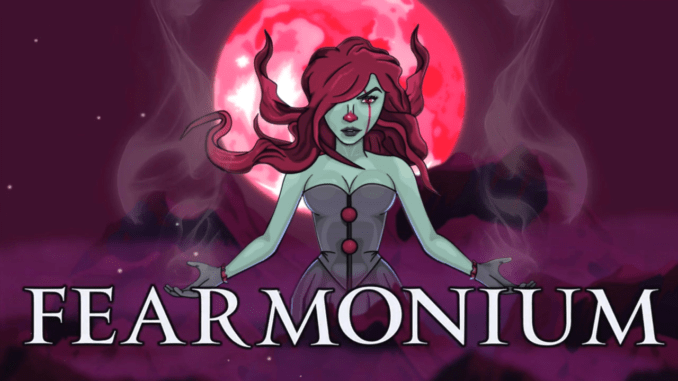
Fearmonium is a psychedelic metroidvania in which you play as an emerging phobia inside the fractured mind of Max, a troubled teenager. As you explore his inner world, you destroy memories and confront competing fears to grow in power and become his dominant terror. With hand-drawn animations, nonlinear exploration and a surreal, psychological atmosphere, the game combines dark themes with surreal humour and puzzling combat.

- Developer: Redblack Spade
- Publisher: Redblack Spade, Ratalaika Games
- Release Date: May 20, 2021
- Platforms: Microsoft Windows, Nintendo Switch, PlayStation 4, PlayStation 5, Xbox One, Xbox Series X|S
- Genre: Action, Metroidvania, Platformer
- Core Loop: Explore → Fight enemies and mini-bosses → Defeat boss → Acquire new ability → Revisit unlocked areas → Repeat

Heads-Up: The map UI only allows one active waypoint at a time, which makes tracking multiple goals harder than usual.
2. Core Facts Table (Quick Reference)

| System | What it does | Player impact |
|---|---|---|
| Metroidvania Map | Interconnected rooms with gated progression based on acquired abilities and items | Exploration and backtracking are essential; progression depends on finding tools that open new paths |
| Fear Progression | Narrative and mechanical states tied to Max’s psyche that unlock story beats and environmental changes | Fear states affect enemies, ambience and sometimes available abilities. Key to pacing and encounter design |
| Combat and Stealth | Light combat with emphasis on pattern recognition, avoidance and strategic strikes | Encounters reward timing and positioning; reckless aggression often fails where measured play succeeds |
| Collectibles and Secrets | Items that expand map, grant upgrades, reveal lore and unlock alternate endings | Completionists will explore for hidden paths and items that change late‑game options |
| Save and Checkpoints | Room‑based saves and checkpoints support segmented retries | Makes learning boss rooms and platform sequences less punishing and encourages experimentation |
Quick Reminder: Many enemies represent Max’s memories or fears, thus their designs and attacks often hint at the psychological theme behind that region.
3. Core Systems and Mechanics
The following elements detail how Fearmonium functions at its heart. Its exploration structure, ability-based progression, combat design, and how these mechanics combine to mirror Max’s phobias and memories.

- Player Character and Role
You play as a clown-phobia growing inside the mind of Max. The aim is to evolve from a memory/fear into a full phobia by corrupting memories and influencing Max’s mental state. - Exploration and Metroidvania Structure
Large interconnected map based on Max’s subconscious with areas blocked by travel-limitations. New movement or traversal abilities (double-jump, slide dash, etc.) are gained by defeating bosses, enabling backtracking to previously inaccessible zones. - Combat and Abilities
You face enemies drawn from Max’s memories (bright memories, broken toys, bullies, etc.). Combat combines basic attacks (e.g. hammer) with special abilities, items, and upgrades. Some bosses themselves grant abilities after defeat. - Enemy and Boss Design and Phobia Growth
Enemies represent memories or psychological defenses. Bosses embody particular fears or trauma (e.g. pupaphobia, bullies). Defeating them increases your “influence” as a phobia and progresses the story. - Narrative Interplay between Reality and Subconscious
As a phobia inside Max’s mind, your actions in the subconscious affect Max’s real-life experiences. Characters like Lady Depression play a guiding or antagonistic role. The story alternates between abstract mental landscapes and concrete issues (bullying, relationships, etc.). - Progression and Collectibles
Progress depends on defeating bosses, gaining new skills and abilities, collecting items (balloons, special recovery items), exploring to uncover more of the map. Save points also double as teleport points to ease backtracking. - Art and Presentation
Hand-drawn 2D animation, frame-by-frame art, psychedelic and surreal aesthetic. Storytelling via comic-style panels and symbolic imagery.

Practical Tip: Use areas with dense enemy spawns to farm balloons efficiently. Boosting your upgrade capacity early can save a lot of backtracking.
4. Map, Exploration and Progression
Below is an overview of how the game lays out its map structure, encourages exploration through ability-gated areas, and designs progression so that revisiting past zones with new skills reveals deeper secrets and narrative rewards.

- World Structure and Map Design
The game features a large, interconnected map representing Max’s consciousness, composed of diverse zones built from abstract memories and bright imagery. Paths are often obstructed by obstacles that require special tools or abilities to clear. - Gated Progression and Ability Unlocks
Progress is gated: defeating bosses or finding key items grants new abilities which open up previously inaccessible areas. These abilities often allow traversal over difficult terrain or unlocking new routes. - Backtracking and Revisitation
Players revisit regions with their improved abilities to discover secrets, finish exploration, and collect items they couldn’t reach earlier. The map gradually reveals more as you explore. - Collectibles and Completion Goals
Along the way, there are many collectibles like masks, birds, passive abilities, etc. that contribute toward achievements and full map completion. Some are well hidden, making full exploration rewarding but challenging. - Varied Environments and Traversal Mechanics
Environments include carnivals, city fairs, schools, puppet shows etc., each with thematic visual design. Traversal isn’t uniform: there are special movement mechanics (e.g. floating, scooter segments) that change how you move through parts of the map. - Pacing and Duration
The overall length is about 15-17 hours for a full playthrough. The map’s scale plus the need to return to previous areas with new skills gives the sense of steady progression

Resource Note: Steam community guides include full 100% completion maps showing every mask, side room, and bug, which many players found invaluable.
5. Combat, Enemies and Bosses
The combat system in Fearmonium is central to how the game embodies its themes of fear and memory. Below, you’ll find how enemies are designed to reflect Max’s mental struggles, how basic and special combat mechanics work together, and how boss encounters serve both as challenges and narrative milestones.

- Combat Basics
You fight using a giant mallet (melee), supplemented by ranged attacks (toys, presents, etc.), with combo potential and some mobility (double jumps, dodges). Health recovery and healing items are available. - Enemy Types and Thematic Design
Enemies are drawn from Max’s memories and psychological fears, i.e. toys, bright memories, puppets, bullies, etc. Their designs reflect what Max saw or experienced, so the visuals can shift from whimsical to grotesque depending on the fear being represented. - Environmental Hazards and Difficulty Spikes
Enemies are often placed in tricky settings, like moving platforms, hazards like spikes or toxic liquids, which amplify challenge. Groups of enemies and projectiles can knock you around, sometimes leading to frustrating deaths before you build up better control or mobility. - Boss Fights and Their Role
Bosses often serve as phobia incarnations (for example Pupaphobia, “The Bullies”, teachers). Defeating them not only progresses the story but typically grants you new abilities you need to access new parts of the map. - Pattern Recognition and Difficulty Curve
Most bosses can be overcome by learning their attack patterns. Fighting often becomes easier as your set of skills and abilities grows. While early bosses provide more challenge, later ones lean heavily on what you’ve unlocked and improved

Quest Tip: If you see wall segments that look slightly off or cracked, test them with your hammer because many secret rooms hide behind destructible walls.
6. Upgrades, Collectibles and Secrets
This section explains how the game deepens its experience through hidden treasures, ability upgrades, and map-secrets. All these reward exploration and unlock new powers, bonuses, and sometimes achievement milestones.

- Abilities and Upgrades
There are 12 upgradable abilities in the game. Improving all of them is tied to specific achievements.
One of the upgrade currencies is balloons, which you can get by exchanging “stones” at merchants. It can take thousands of balloons to max out all abilities. - Collectibles
Key collectibles include:
• Masks: hidden items scattered throughout the map; collecting all masks earns a trophy.
• Birds : similarly collectible, part of the completion/screenshot achievements.
• Red Clowns, Purple Clowns: another collectible category; finding all of them gives special trophies. - Secrets and Hidden Areas
There are secret or hidden rooms and passages, often unlocked only once you have certain abilities (or by hitting wall-weak spots with the hammer). These secrets may be indicated vaguely on the map after certain progress.
Some items or collectibles aren’t visible until you revisit with upgraded traversal skills. - Achievements & Map Completion
• 100% map completion (finding all collectibles, secrets, masks, etc.) is itself an achievement.
• “Upgrade all abilities” is another trophy.
• Some achievements require specific interplay of secrets and collectibles (e.g. find all masks + all birds).

Pro Tip: After acquiring the scooter ability, revisit earlier zones. Many previously unreachable collectibles and masks become accessible.
7. Beginner Roadmap
This blueprint offers a structured, step-by-step path through Fearmonium, guiding you from your first tentative moves in Max’s mind through core upgrades and mid-game challenges, all the way up to full completion and secrets.

| Phase | What to Focus On | Goals and Tips |
|---|---|---|
| Phase 1: Get Your Bearings | • Learn basic movement and traversal (jumping, dashing, basic attack). • Explore the first area fully. • Face and defeat the first boss, Pupaphobia, to unlock a new ability. | Unlocking the first boss-ability gives access to new paths, collectibles, and helps you learn the game’s pacing. |
| Phase 2: Expand Skills and Upgrades | • Collect balloons and use “stones” to upgrade passive effects. • Focus on a few key abilities (mobility, defense) first. • Visit merchants and upgrade when possible. | Prioritize survivability and movement to ease exploration and reduce frustration. |
| Phase 3: Explore and Backtrack | • Revisit earlier zones using new abilities. • Seek hidden passages, masks, birds, etc. • Use traversal upgrades to unlock secret rooms. | Filling out the map and collecting secrets early gives extra resources and better upgrades. |
| Phase 4: Prepare and Take on Mid-Bosses | • Ensure health, abilities, and passive effects are strong. • Learn enemy and boss patterns. • Gather resources so you’re not underpowered. | Success with mid-bosses unlocks major skills and story progression; preparation reduces retry time. |
| Phase 5: Completion and Achievements | • Aim for 100% map completion. • Collect all masks, birds, red & purple clowns, etc. • Fully upgrade all abilities and passive effect slots. | This phase is for completionists. So, finish all story threads, see all secrets, and unlock achievements. |

Boss Tip: Study boss attack patterns. Once you see their rhythm, rolling or dodging at the right moment is far more effective than aggressive rushing.
8. Advanced Tactics and Strategies
Below are 7 advanced tactics and strategic approaches that experienced players use to optimize upgrades, navigate challenges, and make the most of exploration and combat:

- Balloon Farming Route
Use areas with dense enemy respawns to farm balloons efficiently. e.g, behind the ice blocks top-right on the map has many enemies and hydrants for good yield. - Upgrade All Abilities Early
There are 12 abilities you’ll want to unlock and improve. Total cost is ~10,800 balloons. Prioritize unlocking traversal and defensive skills to make exploration safer. - Exploit Hammer to Reveal Secrets
Hidden rooms often require using the hammer to break walls. When exploring, keep an eye out for suspicious-looking walls or passages. - Run Past When Possible
In many areas, you can skip or dodge enemies rather than fighting all of them. This saves health and resources for tougher encounters. - Use Secondary Weapons & Ranged Tools in Boss Fights
Ranged or special weapons can make certain bosses much easier compared to relying solely on melee hammer. - Map Awareness and Revisits
Make notes of obstacles you can’t yet pass. Once you unlock movement and ability upgrades, backtrack to those spots because they often hide useful collectibles and upgrades. - Optimize for Achievements Along the Way
Since many trophies and achievements tie into upgrades, map completion (“Researcher”), masks (“Many Faces”), blowing up gas cylinders (“Too Hot in Here”), etc., planning your route to include these helps avoid tedious backtracking later.

Combat Tip: Use ranged and projectile weapons (toys, presents) in boss fights to chip damage safely before closing in.
Conclusion
Fearmonium is a rich, thematically dark platformer that uses familiar Metroidvania mechanics to tell an unusual story: one of fear, memory, and mental struggle. While its controls, map clarity, and difficulty spikes can frustrate, the game rewards persistence, exploration, and careful planning. With this guide, you’ll be better equipped to master its challenges, uncover its narrative layers, and reach a satisfying conclusion. Approach Max’s mind with both courage and curiosity, and may your fear become an unstoppable force!






Customer Reviews
Thanks for submitting your comment!