
Author: grdssiriwardhana

Nanotechnology, additionally abbreviated to nanotech, is the utilization of issues on a nuclear
Nanotechnology, additionally abbreviated to nanotech, is the utilization of issues on a nuclear, atomic, and supramolecular scale for modern purposes. The earliest, broad portrayal of nanotechnology alluded to the specific innovative objective of exactly controlling iotas and particles for the creation of macroscale items, likewise now alluded to as sub-atomic nanotechnology. A more summed-up depiction of nanotechnology was consequently settled by the National Nanotechnology Initiative, which characterized nanotechnology as the control of issues with no less than one aspect measured from 1 to 100 nanometers. This definition mirrors the way that quantum mechanical impacts are significant at this quantum-domain scale, thus the definition moved from a specific innovative objective to an exploration classification comprehensive of a wide range of examination and advances that arrange with the exceptional properties of issues that happen beneath the given size edge. Seeing the plural structure “nanotechnologies” as well as “nanoscale advances” to allude to the expansive scope of examination and applications whose normal quality is size is in this manner normal.”” Fullerene NanogearsNanotechnology as characterized by size is normally wide, including areas of science as different as surface science, natural science, sub-atomic science, semiconductor physical science, energy storage, engineering, microfabrication, and atomic engineering. The related exploration and applications are similarly assorted, going from expansions of ordinary gadget physical science to totally new methodologies in light of sub-atomic self-assembly, from growing new materials with aspects on the nanoscale to coordinate control of issues on the nuclear scale. Researchers as of now banter about the future ramifications of nanotechnology. Nanotechnology might have the option to make numerous new materials and gadgets with a tremendous scope of utilizations, for example, in nanomedicine, nanoelectronics, biomaterials energy creation, and purchaser items. Then again, nanotechnology raises large numbers of similar issues as any new innovation, including worries about the harmfulness and natural effect of nanomaterials, and their expected impacts on worldwide financial matters, as well as hypothesis about different Armageddon situations. These worries have prompted a discussion among support gatherings and legislatures on whether exceptional guideline of nanotechnology is justified.sourced by Wikipedia

A major breakthrough in nuclear fusion has been confirmed a year after it was achieved at a laboratory in California.
Scientists at Lawrence Livermore National Laboratory’s (Llnl’s) National Ignition Facility (NIF) recorded the main instance of start on August 8, 2021, the aftereffects of which have now been distributed in three friend surveyed papers.Atomic combination is the cycle that drives the Sun and different stars: weighty hydrogen iotas slam into sufficient power that they meld to frame a helium molecule, delivering a lot of energy as a result. When the hydrogen plasma “lights”, the combination response becomes self-supporting, with the actual combinations delivering sufficient ability to keep up with the temperature without outer warming.Start during a combination response basically implies that the actual response delivered sufficient energy to be self-maintaining, which would be essential in the utilization of combination to produce power.NEWSWEEK NEWSLETTER SIGN-UP >In the event that we could bridle this response to create power, it would be one of the most productive and least dirtying wellsprings of energy conceivable. No petroleum derivatives would be expected as the main fuel would be hydrogen, and the simply result would be helium, which we use in industry and are hard to find of.The issue with combination energy right now is that we don’t have the specialized abilities to bridle this power. Researchers from across the world are as of now attempting to settle these issues.In this most recent achievement at the LLNL, scientists recorded an energy yield of more than 1.3 megajoules (MJ) during a couple of nanoseconds. For reference, one MJ is the dynamic energy of a one ton mass moving at 100mph.NEWSWEEK SUBSCRIPTION OFFERS >“The record shot was a significant logical development in combination research, which lays out that combination start in the lab is conceivable at NIF,” said Omar Hurricane, boss researcher for LLNL’s inertial restriction combination program, in an explanation.“Accomplishing the circumstances required for start has been a well established objective for all inertial restriction combination exploration and opens admittance to another exploratory system where alpha-molecule self-warming overwhelms all the cooling components in the combination plasma.”In the trials performed to arrive at this start result, specialists intensity and pack a focal “problem area” of deuterium-tritium (hydrogen molecules with one and two neutrons, separately) fuel utilizing an encompassing thick cylinder likewise produced using deuterium-tritium, making a very hot, super compressed hydrogen plasma.“Start happens while the warming from retention of α particles [two protons and two neutrons firmly bound together] made in the combination cycle beats the misfortune components in the framework for a span of time,” said the writers in a paper distributing the outcomes in the diary Physical Review E.This milestone result comes following quite a while of examination and huge number of worker hours committed to improving and idealizing the cycle: north of 1,000 creators are remembered for the Physical Review Letters paper.In spite of rehashed endeavors having not had the option to accomplish a similar energy yield as the August 2021 examination, every one of them arrived at higher energies than past tests. Information from these subsequent meet-ups will help the scientists to additionally smooth out the combination cycle and further investigate atomic combination as a genuine choice for power age from here on out.“It is very energizing to have an ‘presence confirmation’ of start in the lab,” Hurricane said in a proclamation. “We’re working in a system that no scientists have gotten to since the finish of atomic testing, and it’s a unimaginable chance to grow our insight as we keep on gaining ground.”sourced by newsweek.com

Experience the energy and awe of the haka. The haka is a passionate, traditional Māori dance famous around the world.
The haka is a stylized Māori war dance or challenge. Haka are normally acted in a gathering and address a presentation of a clan’s pride, strength and solidarity.Activities incorporate the stepping of the foot, the projection of the tongue and musical body slapping to go with an uproarious serenade. The expressions of a haka frequently idyllically portray predecessors and occasions in the clan’s set of experiences.When is the haka performed?Generally, the haka was performed when two gatherings met as a component of the traditions around experiences.For instance, the haka was utilized on the front line to plan heroes intellectually and truly for the fight to come, however it was likewise performed when gatherings met up in harmony.Today, haka are as yet utilized during services and festivities to respect visitors and show the significance of the event. This incorporates family occasions, similar to birthday celebrations, graduations, weddings and burial services.Haka in sportsHaka are additionally used to challenge adversaries on the games field. The New Zealand rugby crew, the All Blacks, play out the haka before each match in a staggering demonstration of solidarity and actual ability.The All Blacks use ‘Ka Mate’ as their haka, which was formed during the 1820s by the rangatira (boss), Te Rauparaha. The words to this specific haka have become popular all over the planet since it turned into a piece of the pregame custom of the All Blacks.The Black Ferns, New Zealand’s ladies’ rugby crew, are likewise renowned for performing stirring haka. The haka they perform before a global match is called ‘Ko Uhia Mai’ which signifies ‘Spread the word’ and was created by Whetu Tipiwai.Customary haka waiata meetings empower the All Blacks and Black Ferns to respect their social roots and customs.Who can play out the haka?One normal misinterpretation around haka is that it ought to just be performed by guys.While there are some haka that must be performed by men, there are others that can be performed by anybody and, surprisingly, a few ladies just haka.Non-Māori are free to become familiar with the haka; notwithstanding, you actually should regard the way of life and customs behind the dance. Get familiar with the words and ensure you comprehend the implications behind the serenades, the meaning of a specific haka and what you are attempting to communicate while performing it.The beginning of the hakaThe Māori legend portraying the beginning of the haka paints it as a festival of life.The story goes that Tama-nui-te-ra, the sun god, and his significant other Hine-Raumati, who typifies summer, had a child named Tane-rore.On sweltering late spring days, Tane-rore would move for his mom, making the air tremble. This light, quick development was the groundwork of all haka. sourced by www.newzealand.com
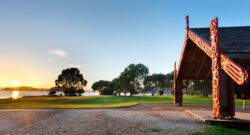
The Treaty of Waitangi was signed in 1840 and was an agreement between the British Crown and a large number of Māori chiefs.
Today the Te Tiriti o Waitangi (the Treaty of Waitangi) is broadly acknowledged as a sacred report that lays out and directs the connection between the Crown in New Zealand (encapsulated by our administration) and Māori.The Treaty of Waitangi was drafted and markedFind out about the Maori bosses that marked the dealNorthland and Bay of IslandsExperience Waitangi, Northland, and Bay of IslandsBy Ruth Lawton PhotographyClose to this time, there were 125,000 Māori and around 2000 pilgrims in New Zealand. Sealers and whalers were the principal European pioneers, trailed by teachers. Dealers likewise showed up to exchange regular assets like flax and wood from Māori in return for attire, weapons and different items.As additional migrants settled for all time in New Zealand, they weren’t generally fair in that frame of mind with Māori over land. Various Māori bosses looked for insurance from William IV, the King of England, and acknowledgment of their extraordinary exchange and teacher contacts with Britain. They dreaded a takeover by countries like France, and needed to stop the wilderness of the British nation in their country.As British settlement in New Zealand expanded, the British Government chose to arrange a proper concurrence with Māori bosses to turn into a British Colony. A deal was drawn up in English then, at that point, converted into Māori.The Treaty of Waitangi was endorsed on February 6, 1840, at Waitangi in the Bay of Islands. 43 Northland Chiefs marked the arrangement on that day. More than 500 Māori Chiefs marked it as it was taken around the country during the following eight months.The Treaty todayTe Whare RunangaExperience Waitangi-1.jpg, New ZealandBy Ruth Lawton PhotographyFollowing its marking, a considerable lot of the freedoms ensured to Māori in the Treaty of Waitangi were overlooked. To assist with correcting this, the Waitangi Tribunal was set up in 1975. It has managed on a few cases brought by Māori iwi (clans), and generally speaking, pay has been conceded.While conflicts over the settlement terms proceed right up ’til now, it is as yet viewed as New Zealand’s initial guideline.The grounds and structures where the settlement was marked have been saved. Today, the Waitangi Treaty Grounds is a well known fascination with study the deal. Here you can investigate the gallery, watch a social exhibition inside the cut gathering house, and visit the pilgrim mission house, noteworthy flagstaff, and delightful waka taua (Māori war kayak).sourced by www.newzealand.com
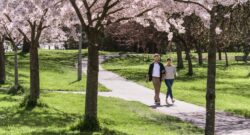
When is the best time to visit New Zealand?
Seasons in New ZealandWhether you’re searching for outside experience, family tomfoolery, rest and unwinding, food and wine, social encounters or a touch of everything, New Zealand has something to suit, regardless of when you visit. New Zealand’s occupied ‘high season’ is summer, while the calmer ‘shoulder seasons’ are spring and fall. Winter in New Zealand can be occupied or calm relying upon where you go – ski regions like Queenstown and Wanaka in the South Island and the Central Plateau in the North Island are continuously humming in the profundities of winter, though seaside regions and enormous urban communities like Auckland and Wellington are less packed. Going in the shoulder seasons can be smart as you’ll frequently track down additional accessibility and better rates on convenience and exercises. Summer (December-February)Church building CoveThe CoromandelBasilica Cove, The CoromandelBy Bush and Beach This is the most famous opportunity to visit New Zealand for bright ocean side days, undertakings on the water, wonderful hedge strolls and mountain climbing. Guest numbers are high and summer occasions mean more Kiwis are going around New Zealand as well, capitalizing on the daylight and Christmas break. Pre-winter (March-May)Clutha Gold Trail – AutumnCluthaClutha Gold Trail – Autumn, CluthaBy shebikeshebikes On the off chance that you would like daylight however less groups, pre-winter is a fabulous opportunity to visit New Zealand. The days are still very warm right off the bat in the season (that implies ocean side swims through March and well into April in certain pieces of the country) with cooler nights, and there is wonderful landscape as the harvest time colors spread through the open country. Hedge strolls and climbing are extraordinary choices now as the days are not as hot. Winter (June-August)Playing in the snow at RuapehuRuapehuPlaying in the snow at Ruapehu, RuapehuBy Visit Ruapheu Winter in New Zealand is the best opportunity to visit assuming you’re into snow sports. Queenstown and Wanaka in the South Island and the Central Plateau in the North Island are the most well known spots for skiing and snowboarding. While many ski fields open in June, the most elevated snowfall is generally all through July and August. Assuming you’re anticipating driving in areas of New Zealand that are inclined to snow, you’ll have to convey chains and take additional consideration on the streets. Spring (September-November)Hagley ParkChristchurch – CanterburyHagley Park, Christchurch – CanterburyBy Julian Apse Spring in New Zealand is the point at which the weather conditions begins to heat up, in spite of the fact that there is a high opportunity of precipitation close to this season. It’s the ideal chance to appreciate outside exercises like climbing, and there is much of the time spring skiing accessible at some ski fields as well. You’ll find New Zealand’s field brimming with bobbing sheep and spring blooms, so it makes for incredible photographs! Warm days and cool evenings are normal. SummerDecember – FebruaryNormal daytime temperature:20 – 25˚C (68 – 77˚F) Peruse more about summerPre-winterWalk – MayNormal daytime temperature:17 – 21˚C (62 – 70˚F) Peruse more about pre-winterWinterJune – AugustNormal daytime temperature:12 – 16˚C (53 – 61˚F) Peruse more about winterSpringSeptember – NovemberNormal daytime temperature:16 – 19˚C (61 – 66˚F) Peruse more about springLocal TemperaturesMean everyday temperature Month Celsius FahrenheitJan 19.1 66.4Feb 19.7 67.5Mar 18.4 65.1Apr 16.1 61May 14 57.2Jun 11.8 53.2Jul 10.9 51.6Aug 11.3 52.3Sep 12.7 54.9Oct 14.2 57.6Nov 15.7 60.3Dec 17.8 64Normal precipitation Month mmJan 73.3Feb 66.1Mar 87.3Apr 99.4May 112.6Jun 126.4Jul 145.1Aug 118.4Sep 105.1Oct 100.2Nov 85.8Dec 92.8Environment information from NIWA, the National Institute of Water and Atmospheric ResearchClimate in New ZealandTemperatures in New Zealand are for the most part gentle, yet the weather conditions can fluctuate a ton around the nation and could change rapidly as we are a somewhat tight island country. Local people like to joke that you can encounter four seasons in a single day! It pays to be ready for what you could experience on your movements. New Zealand’s environment is different – the north of the North Island can have warm subtropical weather conditions in summer, while inland elevated region of the South Island can have weighty snow and temperatures as low as – 10°C (14°F) in winter. The most sizzling a very long time in New Zealand are January and February, and the coldest month of the year is July. The typical temperature in New Zealand diminishes as you travel south. Downpour, snow and sunNew Zealand is rich and green on purpose! Our typical precipitation is high and spread equally consistently. Anything season you are visiting, pack a waterproof shell as no one can really tell when you could get showers. Snow commonly falls during the long stretches of June through to October, however cool fronts can happen beyond this. Most snow in New Zealand falls in the rugged regions, similar to the Central Plateau in the North Island, and the Southern Alps in the South Island. It likewise falls vigorously in inland Canterbury and Otago in the South Island. It seldom snows in the waterfront region of the North Island, despite the fact that they experience a few weighty short-term ices in winter. The sunniest spots in New Zealand (recorded long periods of daylight) are the Bay of Plenty, Hawke’s Bay and Nelson/Marlborough. As New Zealand notices Daylight Saving, sunlight can endure up until 9.30pm during late spring months. Be SunSmartThe sun in New Zealand is a lot more grounded than somewhere else and in hotter months you can get singed rapidly without sunscreen or other sun security. This is on the grounds that we have generally little air contamination contrasted and numerous different nations, and less ozone, which makes the UV beams in our daylight exceptionally impressive. Take specific consideration from September to April, particularly somewhere in the range of 10am and 4pm, even on overcast days. Be ‘SunSmart’ by utilizing these three straightforward advances when you go outside: Remain in the shade whenever the situation allows.Wear a shirt, cap and shades.Use SPF 30+ sunscreen. Reapply like clockwork and in the wake of swimming.You can check New Zealand atmospheric conditions on the MetService website.(opens in new window) sourced by www.newzealand.com

From crisp spring days to long golden summer evenings and cosy winter nights, New Zealand has something unique to offer in each season.
In New Zealand, seasons officially begin at the start of certain months. Spring: September – November During spring, New Zealand bursts with new life. Colorful flowers bloom, lambs are born and waterfalls burst with spring rains. The fresh, happy atmosphere during spring makes this an inspiring time of year to visit. Temperatures range from 4.5 – 18 degrees Celsius (40 – 65F). Summer: December – February Summer activities tend to make the most of the sun, sea, and sand. New Zealand’s many beaches and lakes are perfect to cool off during the summer months. Temperatures range from 21 – 32 degrees Celsius (70 – 90F). Autumn: March-May In autumn, New Zealand enjoys some of the most settled weather of the whole year. Soak up long, sunny days and golden leaves with hiking, cycling, or kayaking. Temperatures range from 7 – 21 degrees Celsius (45 – 70F). Winter: June – August The winter months bring snow to mountain peaks around the country, and clear, crisp days. On the North Island, you might encounter more rain, while the South Island is colder but drier. Hit the ski slopes, visit a winery or two, or head along to one of the many winter festivals. Temperatures range from 1.5 – 15.5 degrees Celsius (35 – 60F). The further south you go, the colder you will get – temperatures are significantly lower in Queenstown than in Auckland. Hagley Park Spring in New Zealand Vibrant and uplifting, spring in New Zealand lasts from September to November. Discover the best places and experiences during spring. Relax on the spectacular white sand coastal beach and discover the Mermaid Pools at low tide. Summer in New Zealand New Zealand’s balmy summer season runs from December to January and February. It’s the perfect time for swimming, surfing, and road-tripping. The whole family can enjoy farming experiences in Wanaka Autumn in New Zealand From March until May, exotic trees turn autumnal shades of gold and warm sunny days give way to cooler evenings. Find out what it’s like to travel to New Zealand in autumn. Friends up Treble Cone Winter in New Zealand Winter, lasting from June to August, varies throughout the country. Go skiing on the South Island or enjoy hot pools on the North Island – find out how to make the most of winter in New Zealand. Enjoy Northland pathways with walking trails for all abilities. Weather in New Zealand New Zealand weather varies widely between the North and South Islands. Find out what to expect and when the best time is to visit. sourced by www.newzealand.com

Māori culture is an integral part of life in Aotearoa, New Zealand. Who is Māui?
Who is Māui? Maui, Mount Hikurangi, Tairawhiti Tairawhiti Maui, Mount Hikurangi, Tairawhiti, Tairawhiti By Matt Crawford As per Māori and Polynesian fantasies and legends, Māui was the skilled and sharp diving being who won the love of his otherworldly guardians after a phenomenal birth and childhood. He was intense and sharp-witted and showed valuable expressions to humanity, despite the fact that he was not loved all the time. He restrained the sun and carried fire to the world, however, one of his most popular accomplishments was the making of the islands we know today as Aotearoa, New Zealand. Fishing up the North Island Scoria Flat Ruapehu Scoria Flat, Ruapehu By Camilla Rutherford Māori accept that one-night Māui’s four siblings intended to go fishing and abandon him. Hearing their arrangements and not having any desire to be forgotten about, Māui concealed under the wood planks of his sibling’s kayak and held on until they were far away from the shore prior to uncovering himself. He had cut an enchanted fishhook from a progenitors’ jawbone and he cast it profound into the ocean, reciting strong words. Before long, Māui acknowledged he had discovered something. Something tremendous! With the assistance of his siblings, the catch was flung to the outer layer of the water. Causing them a deep sense of shock, the fish they had gotten was as a matter of fact an immense real estate parcel and they were happy to find that they had found ‘Te Ika a Māui’ (Māui’s fish), which we know today as the North Island. Before had opportunity and willpower to say thanks to Tangaroa (the lord of the ocean) for the endowment of this land, Māui’s siblings started cutting out bits of the immense fish, making the numerous valleys, mountains, and lakes that you see today on the North Island. The legend of the South Island Florence Hill Lookout, Southland Florence Hill Lookout, Southland, New Zealand By Great South ‘Te Waka a Māui’ (Māui’s kayak) or what we realize now as the South Island is supposed to be the waka or kayak that Māui and his siblings fished from. It’s accepted that the Kaikōura Peninsula on the east shoreline of the South Island is where the seat of the kayak was arranged, where Māui remained to pull in his goliath get. Stewart Island-Rakiura is accepted to be the anchor from the kayak and is named ‘Te Punga a Māui’ (Māui’s anchor stone). sourced by www.newzealand.com

With so many things to do and spectacular places to see, choosing how you travel around New Zealand is as important as choosing where you want to go.
Picking transport in New Zealand relies on how rapidly you need to get starting with one spot and then onto the next and the amount you need to see on your excursion. You can self-drive, join a directed visit, book flights, or take a train or transport. Traveler and vehicle ships offer administrations between the North, South, and different islands as well. Look for transport Self-drive See the sights at your own speed and recruit a rental vehicle or RV to go around New Zealand. We have a scope of schedules to make arranging your excursion simple and assist you with seeing the best New Zealand brings to the table in the time you have. Utilize our movement mini-computer to figure out driving times and distances. You can likewise enlist bicycles or motorbikes. Leasing a vehicle gives you complete adaptability. Rental vehicles Visiting New Zealand in a rental vehicle allows you the opportunity to go at your own speed. Track down tips for vehicle rentals in New Zealand. Take in the mountain sees RVs and campervans Experience a legendary New Zealand excursion with an RV or campervan rental and investigate the magnificence of Aotearoa. Visiting the South Island by bicycle Cruiser rental In the event that you were destined to be wild, and favor somewhat more snort than pedal power, journey New Zealand’s picturesque streets on a bike. Figure out more about leasing bikes here. Hawke’s Bay Trails Cycle Hire With its gentle environment, natural air, great streets, and different scene, New Zealand is an optimal country to investigate by cycle. Pause for a minute or two and partake in our house-to-house administration Custom Transfers Finding your strategy for getting around New Zealand is such a great deal more straightforward when another person does it for you. With a custom exchange, you can pause for a moment and partake in the view. Transport and mentor Jump on and bounce off implies you can investigate at your speed and pace Jump on and bounce off, New Zealand By Auckland Explorer Bus Assuming you would favor that another person does the driving, there are directed mentor visits going from road trips to multi-day agendas. Or on the other hand, you can utilize the cross-country transport organization to go between areas. New Zealand’s greater urban communities have jumped on bounce-off transport encounters so that a simple way could see the sights, as well as open transport organizations. Plane Flights are accessible close to New Zealand, from the Far North down to Stewart Island in the south and a few remote islands. Booking homegrown flights is simple and there are air terminals in significant urban communities and all through the locales. ATR Homegrown Flights Getting around New Zealand via air is simple. Figure out how to book and what’s in store when you fly locally. Traveling to New Zealand is simple from any place on the planet. Air terminals Here is a speedy manual for New Zealand’s worldwide and homegrown air terminals. Ships and water taxis Interislander Ferry, Marlborough Sounds Marlborough Interislander Ferry, Marlborough, Marlborough By Positively Wellington Being an island country, ships and water taxis are a significant piece of getting around New Zealand. Normal traveler and vehicle ships interface the North and South Islands across Cook Strait, while a traveler ship connects the South Island with Stewart Island. Somewhere else around the nation, you’ll find ships going between distant islands and more modest water taxis in certain areas for fast and simple outings. Rail Go over enormous viaducts, waterway valleys, and terrific crevasses as you climb to Arthur’s Pass situated at the focal point of the Southern Alps. Christchurch – Canterbury TranzAlpine Rail Journey, Christchurch – Canterbury By KiwiRail Going by rail gives you the first-line perspective of a staggering view frequently not noticeable from the street. There are three primary picturesque rail ventures in New Zealand, navigating the North and South Islands. There are additionally some rail administrations interfacing the districts and rural trains inside Wellington and Auckland.