
1. Game Overview
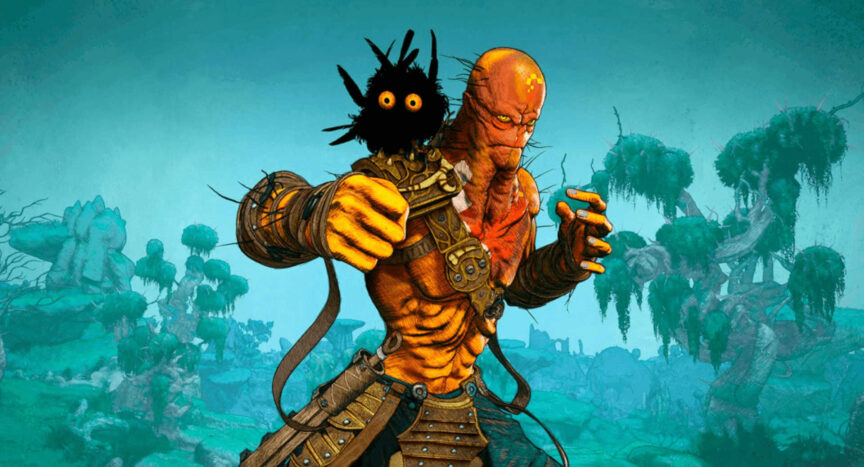
Clash: Artifacts of Chaos is a 2023 action-adventure, beat ’em up, set in the surreal fantasy world of Zenozoik. Players control Pseudo, a martial artist who becomes bodyguard to a young creature called Boy sought by the tyrant Gemini for its healing powers. Combat is melee focused and offers multiple combat stances, character leveling, and a ritual dice-mini-game that grants tactical advantages before fights. The game features a semi-open world design with a distinctive art style combining hand-drawn crosshatching visuals and a day/night cycle that influences exploration and risk

- Developer: ACE Team
- Publisher: Nacon
- Release Date: March 9, 2023
- Platforms: Windows, PlayStation, Xbox
- Genre: Action-Adventure / Beat ’em up
- Core Loop: Explore world → Encounter foes → (Optional) Ritual dice challenge → Melee combat → Earn rewards & upgrades → Unlock new stances / abilities → Repeat
2. Story & Journey
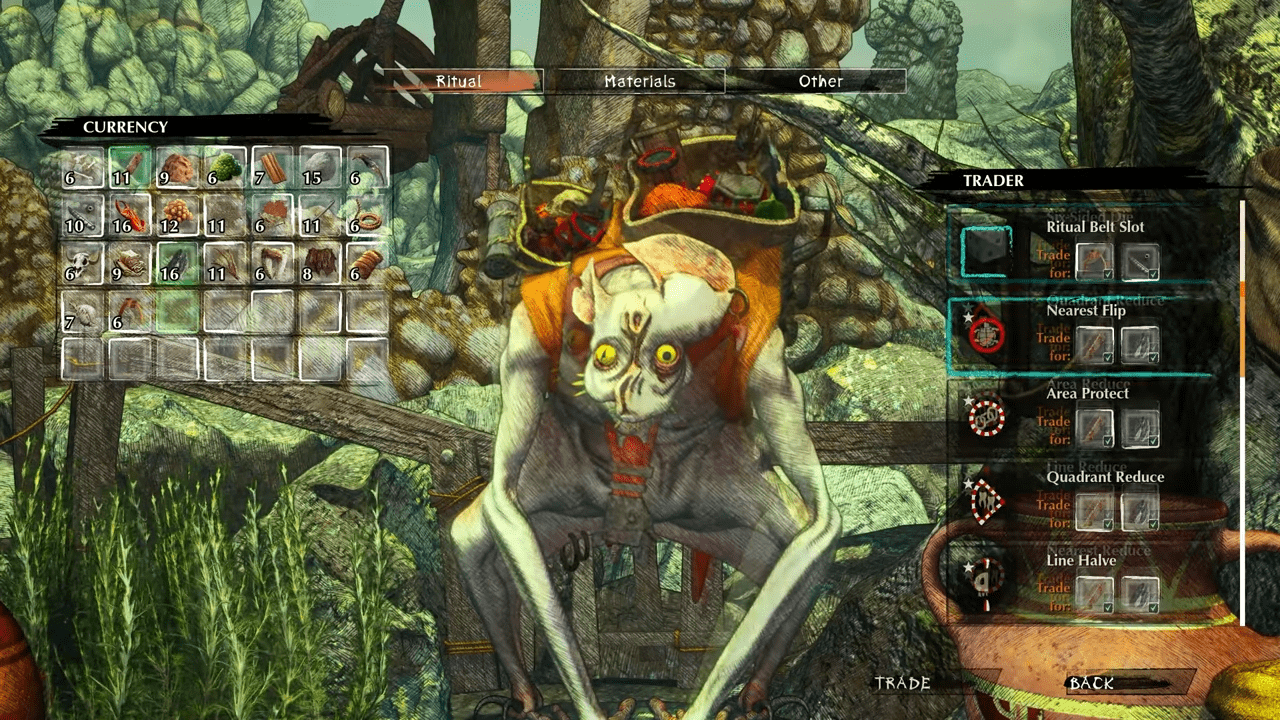
You play as Pseudo, a hermit martial artist who becomes the protector of “the Boy,” a small creature with healing powers coveted by Gemini, Mistress of the Artifacts. The journey centers on escorting and safeguarding the Boy while collecting the Great Artifacts scattered across Zenozoik’s regions, confronting regional leaders and Gemini’s forces, and uncovering the strange history and laws (such as the Ritual) that shape the land. Along the way you discover that the world’s past, the nature of the Boy’s powers, and the balance of power in Zenozoik are deeply interwoven.
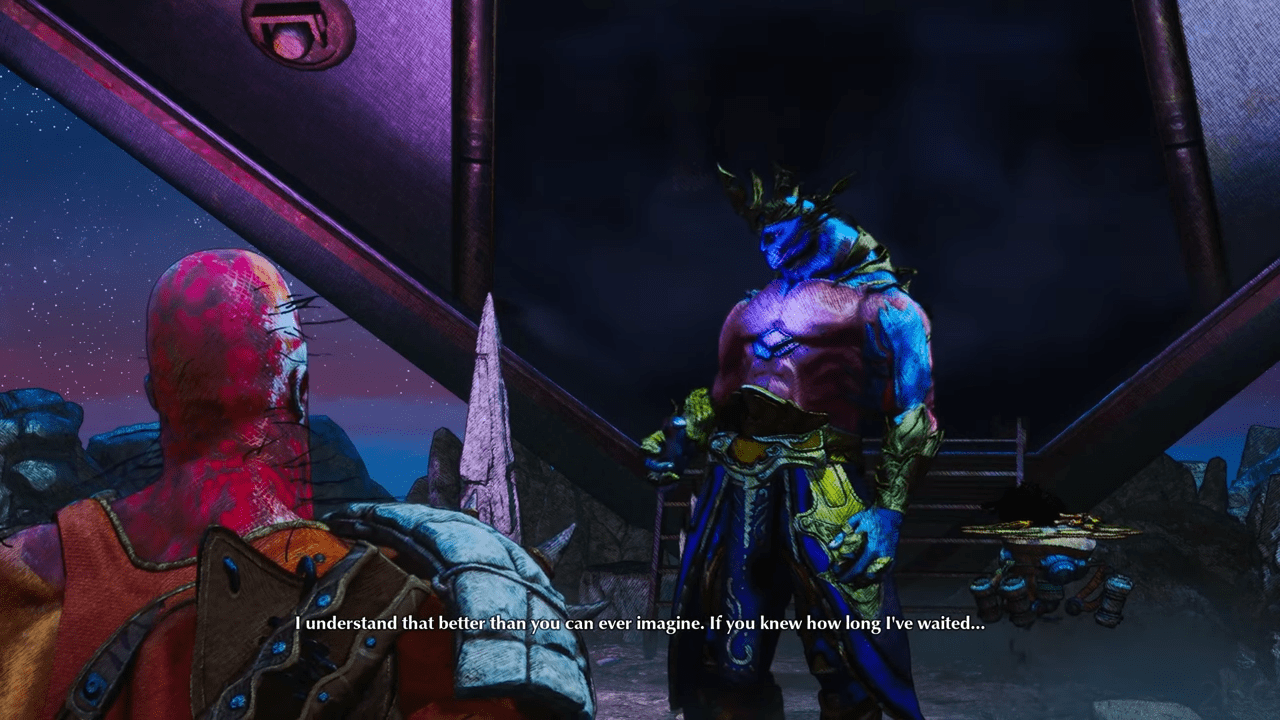
- Setting: Zenozoik; surreal biomes, clans, with ancient relics, also governed by the “One Law” via the Ritual dice game.
- Objective: Escort and protect the Boy, collect the Great Artifacts to stand against Gemini, face off regional adversaries, and uncover the significance of the Artifacts and the law-like power of the Ritual

Pro Tip: Treat a successful parry as your stance‑swap signal; parry → heavy stance knockdown → finisher. It converts defense into burst with minimal risk.
3. Core Mechanics & Combat Systems
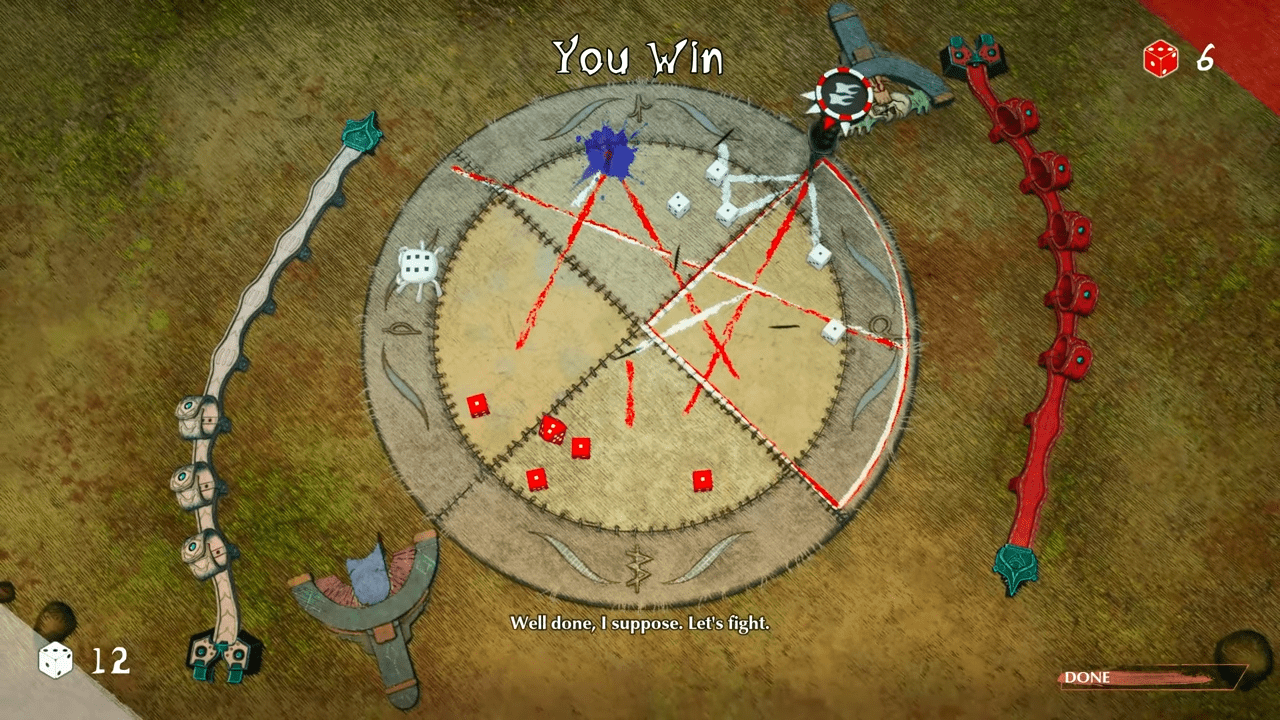
Combat emphasizes spacing, timing, and stance commitment. You build momentum with light/heavy attack chains, create punish windows with well-timed parries, and cash in with high-damage finishers; many encounters with sentient enemies are preceded by the Ritual, a dice game that can grant boons or impose penalties depending on outcome.
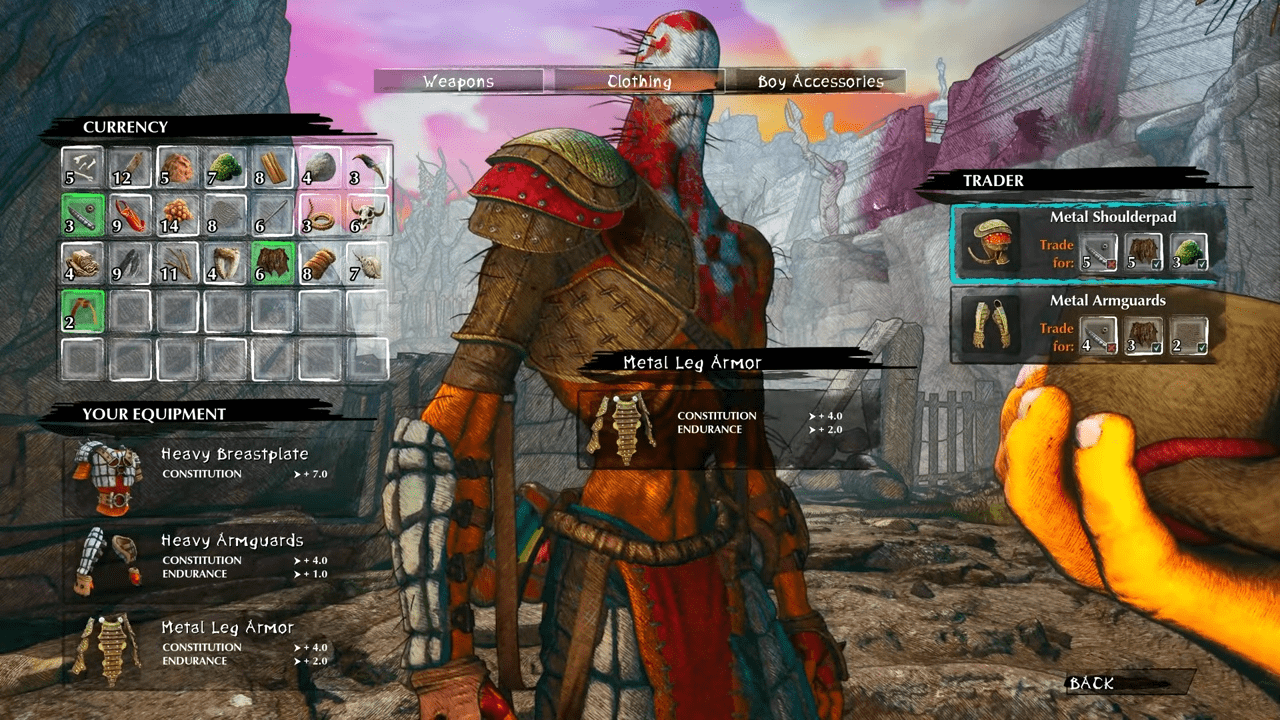
- Melee focus: Light/heavy chains build attack bar or stagger-like opportunity and open enemies for finishers.
- Dodging & parrying: Dodges help reposition; precise parries slow an enemy, give stun or damage bonus, and open punish windows.
- Finishers / First-person mode: When you fill the attack bar by hitting enemies, you can trigger a first-person mode and attempt an unbroken hit chain that ends in a cinematic finisher.
- The Ritual (dice): Before fights with intelligent or sentient foes, there is an optional Ritual (also called the One Law or The Law) where both sides select an Artifact, roll dice, and possibly place modifiers (“Tchaks”) on the dice; the winner applies a consequence (ally, hazard, stat tweak, etc.) to the upcoming fight.
| System | What it does | Why it matters |
|---|---|---|
| Stances & attack chains | Different combat stances provide varied basic attacks and combos; chaining light/heavy attacks fills the attack bar or builds openings | Lets players adapt to different enemy types; defines how aggressively or defensively you play during fights |
| Parry timing | Parrying just before enemy attacks slows them, rewards stun / damage bonuses, and creates punish opportunity | Turns defense into offense, allows handling tougher or armored foes safely |
| Ritual / One Law | Dice-based pre-fight mini-game involving artifacts and modifiers that determine boons or penalties for combat | Adds strategic risk/reward before major fights; can change difficulty or advantages significantly |
4. Stances & Technique Types
Stances shape reach, speed, and defensive trade-offs, letting you tailor Pseudo’s approach to different enemy archetypes. You unlock additional stances as you progress, encouraging specialization and on-the-fly swapping.

| Archetype | Strengths | Best use cases |
|---|---|---|
| Reach-focused | Safe pokes, spacing control, ability to strike from distance (e.g. Spear stance offers longer reach) | Large hitboxes, multi-enemy rooms, keeping enemies at bay while you position |
| Speed-focused | Fast attacks, quick recovery, enabling interrupts and combo chaining (Lightning stance is described as quick) | Agile elites, short punish windows, chasing down enemies or reacting quickly when Ritual imposes penalties |
| Heavy/knockdown | High damage per hit, high stagger/knockdown potential, more punishing but slower moves (e.g. Mammoth is slow and powerful) | Solo bosses, shielded targets, using finishers after stagger or parry windows |
5. Artifacts & Loadout Planning
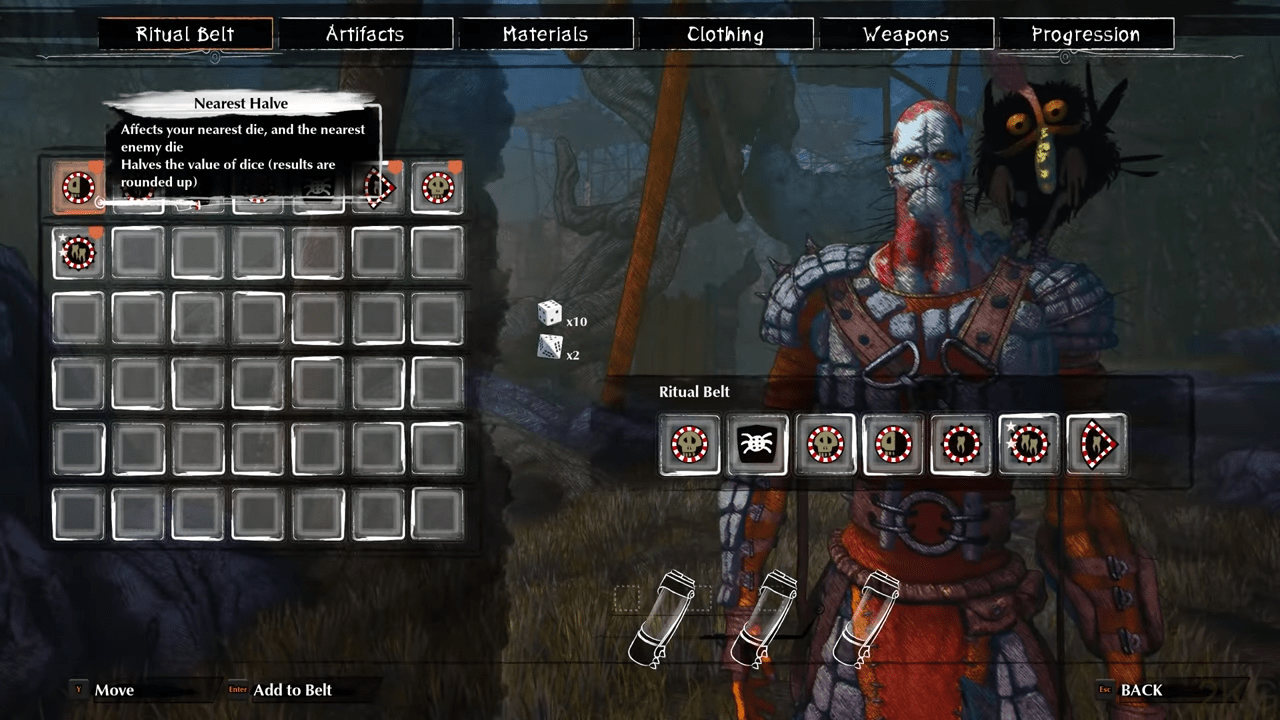
Artifacts primarily interface with The Ritual; the artifact you bring into a sentient-duel determines which modifiers (called “consequence artifacts”) you might gain if you win, or penalties if you lose. As you progress, you unlock more artifacts, dice, and modifier tools (T’chaks, etc.), broadening your tactical options when deciding how to skew a difficult fight. NG+ retains your unlocked artifacts and tools, but challenges scale up.
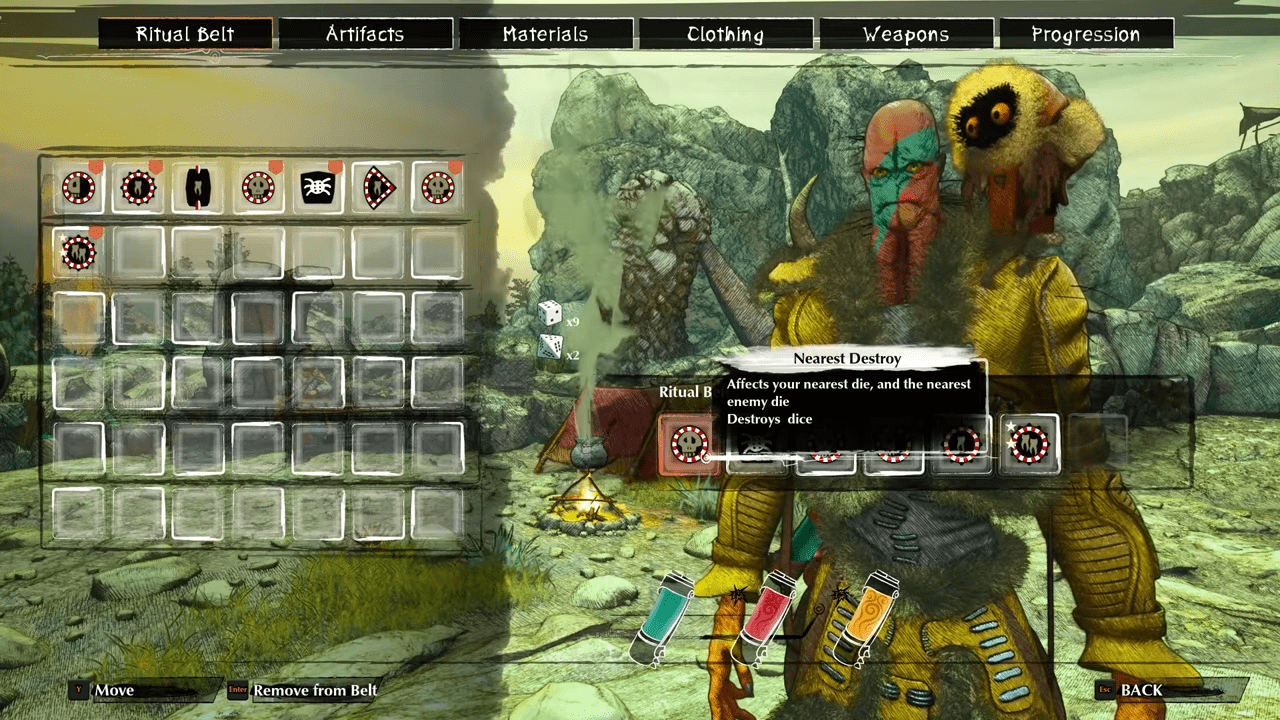
- Ritual artifacts: Select a consequence artifact before certain fights with intelligent foes; outcome grants effects like summoning allies, applying hazards, stat modifiers, etc. Some artifacts are more risky but more rewarding.
- Build synergy: Best practice is to pair your stance and technique choices (reach-focused, heavy, etc.) with artifacts that complement your style, e.g. defensive or control modifiers if using slower/knockdown stances, or offensive buffs if using fast/aggressive stances.
- Acquisition & retention: Artifacts, dice, and Ritual modifiers are found via exploration, defeating enemies, shops/merchants, and special encounters. Once you have them, they remain available (including in NG+) though opponents also get stronger and Rituals may become harder to win.
Tip: Practice parries on basic enemies near camps. Consistent parry timing translates directly to elite and boss control.
6. World Flow, Camps & Day/Night
- Day / Night: The day / night cycle is central. During the day you explore as Pseudo and progress story, while at night you take a “dream / night” form (wooden alter-ego) after dying or by resting at camps. The night form lets you access paths blocked in daylight (thorn walls) and face tougher enemies.

- Camps / Totems: Camps (also referred to as campsites or totems) act as rest points where you can heal, change day/night, practice combat (using dummies / practice machines), equip/unlock stances, or rest. Totems have duels / challenges to unlock new moves or stances.
- Region layout & Exploration Flow: Zenozoik is arranged in semi-open, interconnected regions. There is deliberate backtracking. Certain environmental obstacles (e.g. thorn walls) require access in night or acquiring specific items / abilities to bypass. The map has shortcuts and multiple routes between camps. Players often use camps to rest, recover, or reset for night missions.

- New Game+ (NG+): Once you complete the game, you can restart while retaining upgrades, but face tougher enemies. Also includes some exclusive cosmetic content.
7. Advanced Strategies & Pro Tips
Mastering the game comes down to balancing offense and defense, choosing stances that suit your style, and making smart use of rituals, camps, and upgrades.

- Go for Spear Stance early for range and safety, switching to heavy stances later for big stagger and damage.
- Use parries & stamina guard: parrying gives openings; stamina guard halves damage while it holds up.
- Pick consequence artifacts in the Ritual that match your current build (defensive if struggling, offensive if confident).
- Use totems to unlock new stances or special attacks before entering tougher regions. When switching between day and night, use night form to unlock paths blocked by thorn walls to make exploration safer and more rewarding.
- For NG+ runs, build up survivability first (resistances, health, guard) to handle increased challenge.
8. Conclusion
By mastering tactical stance choice, Ritual advantages, and survivability first, you will smooth progression and reduce frustrating setbacks. These strategies help you face tougher enemies, unlock content easier, and enjoy challenge rather than overwhelm. Keep practicing combat mechanics, exploring carefully, and refining builds to become formidable across every region and difficulty!
Customer Reviews
Thanks for submitting your comment!